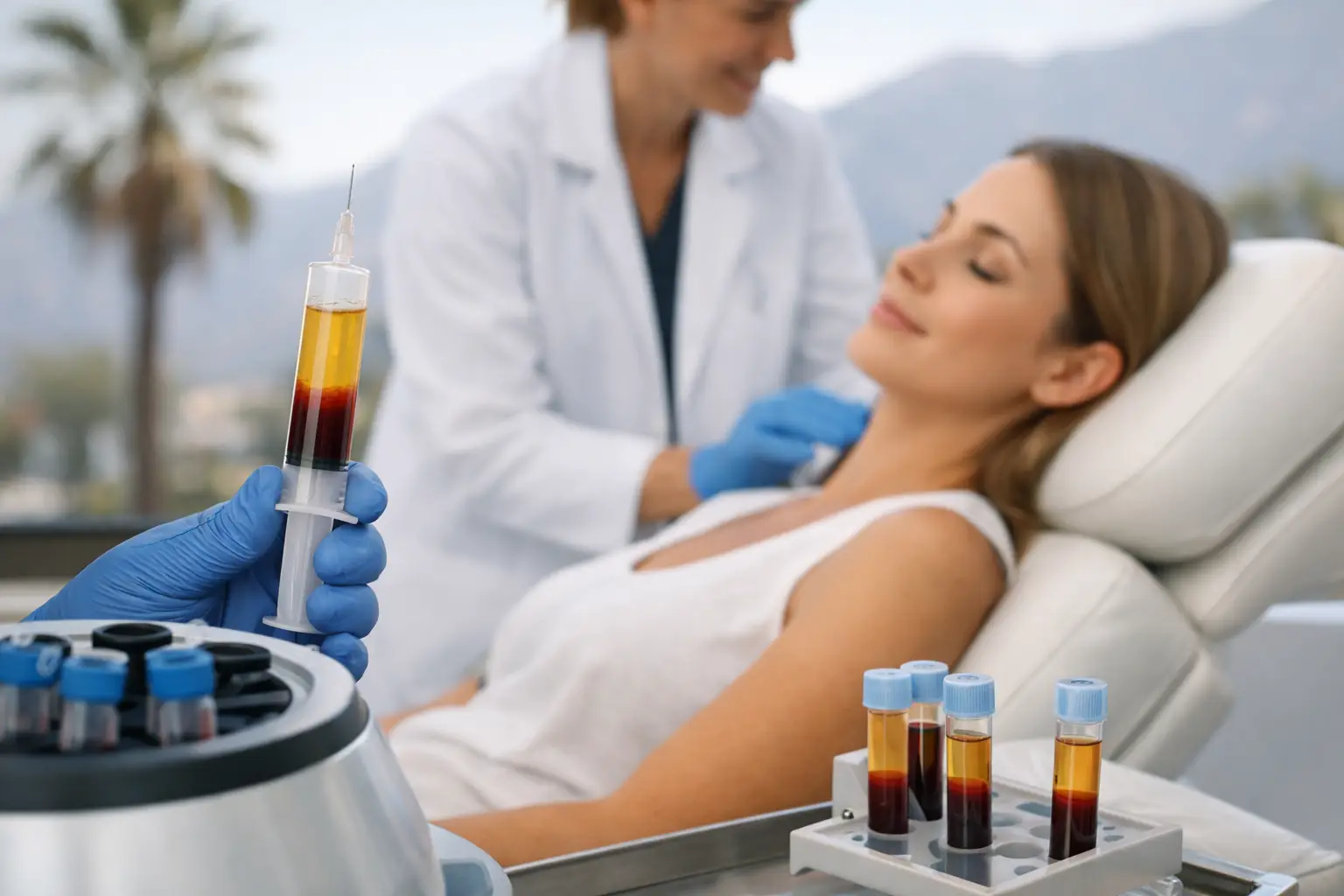
Your body already has a built-in repair system circulating in your bloodstream: platelets. These small blood components help initiate healing after injury, and platelet-rich plasma treatment uses a concentrated portion of your own blood as part of a medically guided regenerative care plan. For people considering PRP therapy in Pasadena, the question is not simply whether the treatment is popular. It is whether it fits their health goals, the condition being addressed, and a plan built around proper evaluation and follow-up.
PRP is often discussed in the context of joint discomfort, tendon concerns, hair thinning, sexual wellness, and aesthetic rejuvenation. Each application has different evidence, expectations, and treatment considerations. A thoughtful consultation is where the real work begins.
What PRP Therapy Actually Does
Platelet-rich plasma, or PRP, is created from a sample of your own blood. During treatment, a clinician draws blood and places it in a centrifuge, which separates and concentrates components of the blood. The platelet-rich portion is then prepared for use in the targeted treatment area.
Platelets contain signaling proteins and growth factors involved in the body’s natural healing response. When PRP is placed in an appropriate area, the aim is to support local tissue repair and cellular signaling. It is not a replacement for surgery when surgery is clinically necessary, and it is not an instant fix for every painful joint, soft-tissue injury, or cosmetic concern.
That distinction matters. PRP is best viewed as a regenerative option that may complement a broader medical plan. Depending on your needs, that plan may also include strength training, physical therapy, nutritional support, hormone evaluation, imaging, medication management, or a referral to a specialist.
PRP Therapy in Pasadena: Common Treatment Goals
PRP can be used across several wellness and regenerative care pathways. Whether it is appropriate depends on the diagnosis, the severity of symptoms, your medical history, and what you want to improve.
Musculoskeletal support and performance
Active adults often ask about PRP for persistent tendon irritation, overuse-related discomfort, mild to moderate joint concerns, or recovery goals that have not improved with rest alone. Areas commonly evaluated include the shoulder, elbow, knee, hip, ankle, and plantar fascia.
The treatment may be considered when there is a specific tissue target and a clinician believes regenerative support is medically appropriate. Some people experience gradual improvement over weeks or months rather than a dramatic overnight change. More advanced injuries, complete tears, significant arthritis, or structural problems may need different interventions.
Hair restoration support
For men and women noticing early hair thinning, PRP may be incorporated into a hair restoration strategy. The goal is to support the scalp environment and existing hair follicles, particularly when treatment begins before substantial follicle loss has occurred.
Results vary by the cause and stage of hair loss. Androgenetic hair loss, nutritional deficiencies, thyroid changes, iron status, medication effects, and hormonal shifts can all affect the picture. A complete evaluation is more valuable than treating thinning hair as a one-size-fits-all issue.
Sexual wellness and regenerative care
PRP-based therapies may also be discussed within sexual wellness care for men and women. These treatments are often sought by people who want to improve confidence, comfort, sensation, or performance. They should be approached with the same clinical care as any other medical service: clear screening, realistic expectations, and attention to factors such as circulation, hormone status, medications, metabolic health, and emotional well-being.
Aesthetic skin rejuvenation
PRP is sometimes used in aesthetic medicine to support skin quality and recovery in targeted areas. It may be paired with other treatments when appropriate, but the right approach depends on skin type, current concerns, downtime preferences, and the desired outcome. For some patients, PRP is a strong fit. For others, a different treatment pathway may be more aligned with their goals.
What a Medically Guided PRP Process Looks Like
The quality of a PRP experience begins well before the blood draw. A provider should first understand what is driving your concern, review your health history, and determine whether PRP belongs in your treatment plan.
At Alpha Hormones, that broader view is central to regenerative and longevity care. Symptoms such as low energy, decreased exercise recovery, changes in body composition, libido concerns, or thinning hair may involve more than one factor. Targeted diagnostics can help identify whether hormones, thyroid function, nutrient status, inflammation, sleep quality, metabolic health, or another issue deserves attention alongside PRP.
A typical process includes a consultation, appropriate medical screening, treatment planning, the PRP procedure itself, and follow-up. The appointment is usually straightforward: blood is collected, processed, and used during the same visit. Depending on the treatment area, a numbing approach or image guidance may be considered.
Aftercare instructions should be specific to the procedure. You may be advised to modify strenuous activity for a period, avoid certain medications if medically appropriate, and monitor the treatment area for expected soreness or swelling. Your provider should also explain when to resume training, work, skin care, or other routine activities.
Who May Be a Candidate – and Who Should Pause
PRP can be appealing because it uses material from your own blood, but that does not make it suitable for everyone. A proper evaluation is especially important for people with active infections, certain bleeding or platelet disorders, uncontrolled medical conditions, significant anemia, or a history that may affect healing.
Medication use also matters. Blood-thinning medications, anti-inflammatory drugs, supplements, and other prescriptions can influence safety or treatment preparation. Never stop a prescribed medication on your own in preparation for PRP. Review your complete medication and supplement list with your medical provider.
Pregnancy, recent illness, active cancer treatment, and autoimmune conditions may call for additional caution or a different care plan. The right answer is not always yes. High-quality care includes knowing when to recommend another route.
Setting Expectations for Results and Recovery
The best PRP conversations are specific. Rather than promising that PRP will “heal” a problem, a provider should discuss what the treatment may support, what evidence exists for the intended use, and what can realistically affect your outcome.
Response varies based on the treatment area, the underlying condition, age, activity level, sleep, nutrition, smoking status, metabolic health, and adherence to recovery guidance. For musculoskeletal concerns, consistent rehabilitation and progressive strength work may remain essential. For hair thinning, continued scalp care and treatment of contributing medical factors may influence long-term results.
Many PRP protocols involve a series of treatments, while others may be tailored around a single targeted procedure and reassessment. The timing should be individualized rather than driven by a generic schedule. Progress should be measured by meaningful markers: function, pain patterns, training tolerance, hair density, skin quality, or the specific outcome that brought you in.
How to Choose a PRP Provider in Pasadena
A polished treatment room is not a substitute for clinical judgment. When comparing options for PRP therapy in Pasadena, look for a practice that treats PRP as a medical procedure rather than a trend.
Ask who performs the consultation and procedure, how candidacy is determined, and what follow-up looks like. You should understand the proposed goal, the likely recovery process, potential risks, and what alternatives may be more appropriate. It is also reasonable to ask how your provider accounts for medical conditions, medications, and diagnostic findings that could change the plan.
Board-certified medical oversight, clear consent, individualized protocol design, and a willingness to discuss limitations are signs of a patient-centered approach. You should never feel pressured to pursue a treatment before you understand why it is being recommended.
PRP is most powerful when it is part of a precise strategy, not a stand-alone promise. If you are ready to explore whether regenerative care fits your goals, start with a medical conversation that looks beyond the symptom and toward the health factors that shape how you feel, perform, and recover.