Fatigue and stress-response care

Adrenal &
Stress-Response Care

Understand What May Be Affecting Your Energy

A comprehensive, provider-guided evaluation for persistent fatigue, disrupted sleep, difficulty concentrating, and poor stress tolerance—symptoms that may involve overlapping hormonal, metabolic, medical, and lifestyle factors.

  • Comprehensive evaluation
  • Targeted laboratory testing
  • Personalized care planning
Fatigue and stress-response care

Persistent Fatigue Deserves a Real Medical Evaluation

Feeling exhausted, wired at night, foggy, or unable to recover from everyday demands is real. Our approach looks beyond the popular label “adrenal fatigue” to identify medical, hormonal, sleep, metabolic, nutritional, and lifestyle factors that may be contributing.

The whole-body stress response

How Ongoing Stress Can Affect the Body

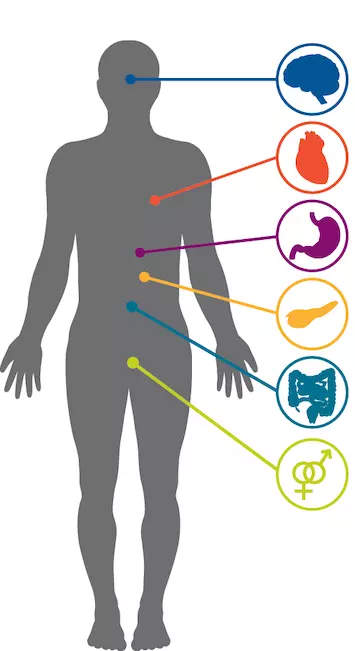
Stress activates coordinated signals among the brain, pituitary gland, adrenal glands, autonomic nervous system, and immune system. When stress becomes persistent, it may influence sleep, mood, concentration, heart rate, blood pressure, digestion, appetite, muscle tension, sexual health, and menstrual patterns. These effects are real, but they do not automatically mean the adrenal glands are failing.

Diagram showing how stress may affect the brain, heart, digestive system, pancreas, and reproductive system
Woman experiencing fatigue and emotional stress at home
A woman experiencing fatigue and stress-related symptoms.
Symptoms are clues

Common Concerns We Evaluate

Fatigue and poor stress tolerance are nonspecific symptoms. A thoughtful evaluation helps determine what is driving them instead of assuming one cause.

Sleep and Recovery

Difficulty falling asleep, unrefreshing sleep, morning exhaustion, daytime sleepiness, or dependence on caffeine.

Energy and Exercise

Low stamina, reduced exercise tolerance, prolonged recovery, weakness, or a noticeable decline in daily function.

Mood and Focus

Brain fog, poor concentration, irritability, anxiety, low mood, reduced motivation, or feeling overwhelmed.

Hormonal Changes

Changes in menstrual cycles, libido, temperature tolerance, body composition, or symptoms of thyroid or sex-hormone imbalance.

Digestive and Metabolic

Appetite changes, nausea, abdominal discomfort, weight change, cravings, or symptoms related to blood-glucose regulation.

Circulation and Dizziness

Lightheadedness, palpitations, low blood pressure, faintness, or symptoms that worsen when standing.

Stress physiology

Understanding the HPA Axis

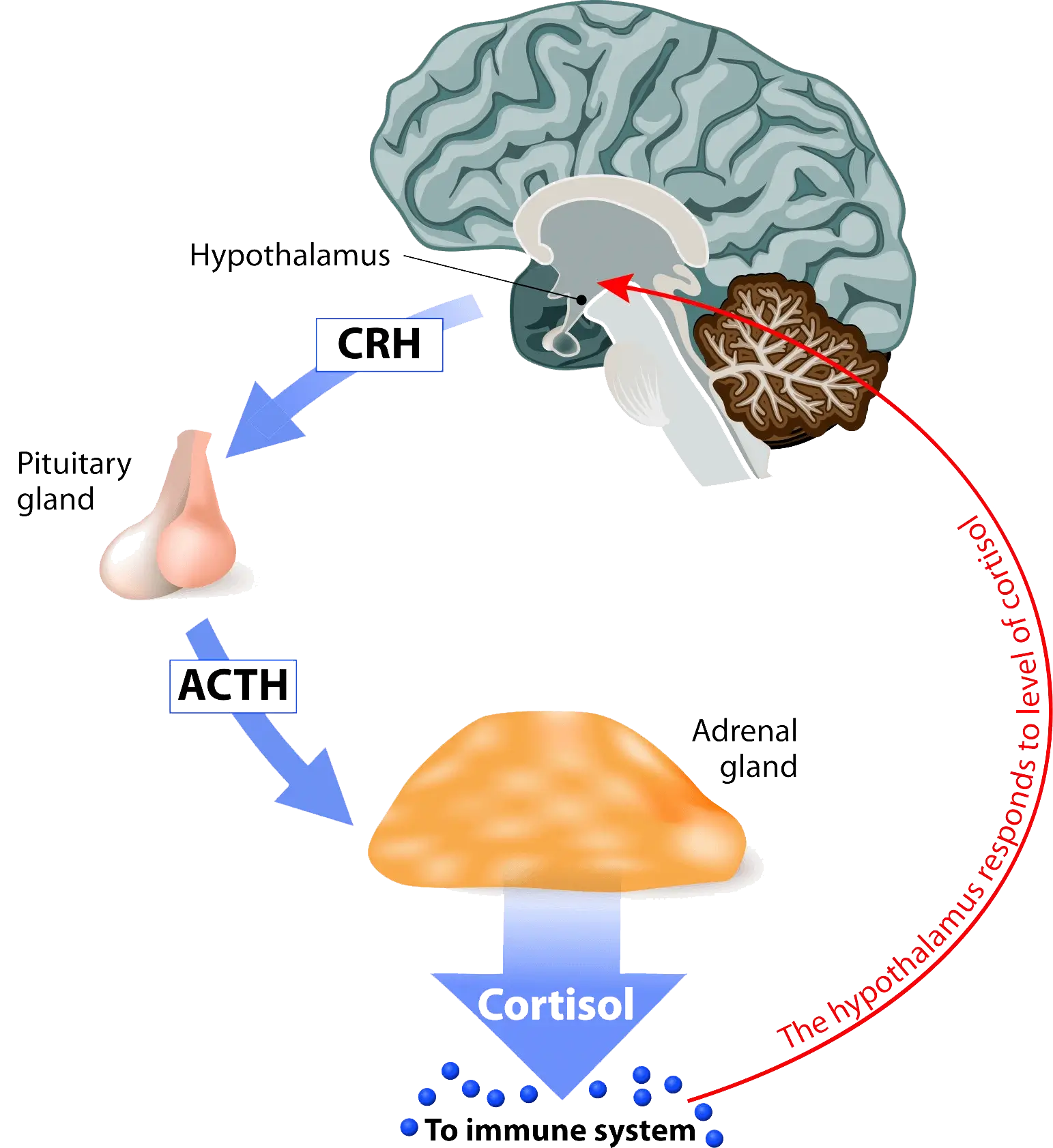
The hypothalamic-pituitary-adrenal, or HPA, axis helps coordinate the body’s response to physical and psychological demands. The hypothalamus signals the pituitary gland, which releases ACTH; ACTH then signals the adrenal glands to produce cortisol. Cortisol follows a daily rhythm and also changes during illness and stress.

Disrupted sleep, shift work, pain, medications, mood disorders, acute illness, and other health conditions can influence this system. That is different from proven adrenal insufficiency, in which cortisol production is inadequate because of disease affecting the adrenal or pituitary glands or because glucocorticoid medication has suppressed the system.

Diagram of the hypothalamic-pituitary-adrenal axis and cortisol feedback pathway
Clear terminology matters

Persistent Fatigue Is Not the Same as Adrenal Insufficiency

Persistent fatigue and stress-related symptoms

These symptoms are common and can have many overlapping contributors. The priority is to identify and treat the actual cause.

  • Insufficient or disrupted sleep
  • Sleep apnea or circadian disruption
  • Thyroid disease, anemia, or nutrient deficiency
  • Diabetes or other metabolic conditions
  • Depression, anxiety, grief, or burnout
  • Medication, alcohol, or substance effects
  • Perimenopause, menopause, or low testosterone

Adrenal insufficiency

This is a recognized endocrine disorder in which the body cannot produce enough cortisol. It may result from adrenal disease, pituitary disease, or suppression after glucocorticoid use.

  • Unexplained weight loss or reduced appetite
  • Persistent weakness and marked fatigue
  • Low blood pressure or frequent dizziness
  • Nausea, vomiting, diarrhea, or abdominal pain
  • Salt craving or skin darkening in primary disease
  • Abnormal sodium, potassium, glucose, or cortisol results
A medically grounded pathway

How We Evaluate Persistent Fatigue

Testing is selected from your symptoms, examination, medication history, and risk factors. There is no single test panel that diagnoses “adrenal fatigue.”

Review the full clinical picture

We discuss symptom timing, sleep, stress load, nutrition, exercise, mood, menstrual or sexual health, recent illness, and all prescriptions, supplements, and glucocorticoid exposure.

Screen for common contributors

When appropriate, evaluation may include a blood count, metabolic panel, thyroid studies, glucose markers, iron or vitamin testing, and assessment for sleep apnea or other conditions.

Assess the daily cortisol pattern when useful

In selected patients, we may recommend a four-point salivary cortisol profile to review cortisol timing across the day. A 24-hour urinary free cortisol test or properly timed late-night salivary cortisol may also be considered when there are clinical signs of cortisol excess. These tests can add context, but they do not independently diagnose adrenal insufficiency or “adrenal fatigue.”

Use validated adrenal testing when indicated

If symptoms or risk factors raise concern for adrenal insufficiency, a clinician may obtain an early-morning serum cortisol with ACTH, electrolytes, renin, aldosterone, and other targeted studies. Equivocal results may require a supervised ACTH stimulation test, pituitary or adrenal imaging, or endocrinology referral.

Create a diagnosis-based care plan

Treatment is based on confirmed findings and may address sleep, nutrition, medication effects, mental health, metabolic health, thyroid or sex-hormone conditions, or a diagnosed adrenal disorder.

About cortisol testing: Cortisol naturally changes throughout the day and during illness. A four-point saliva profile may provide supplemental information about diurnal timing, while 24-hour urine and late-night saliva testing are primarily used when cortisol excess is suspected. Results should be interpreted alongside symptoms, medications, sleep schedule, and validated serum or stimulation testing rather than used alone to diagnose adrenal insufficiency.

Medical professionals reviewing a patient care plan
Care centered on the cause

Treatment That Supports Recovery Safely

There is no evidence-based hormone or supplement regimen for the unproven diagnosis of “adrenal fatigue.” We focus on reducing symptom burden while treating diagnosed conditions and monitoring progress.

  • A consistent sleep-wake schedule
  • Sleep-apnea evaluation when indicated
  • Balanced nutrition and adequate hydration
  • Gradual, appropriately paced activity
  • Stress-management and mental-health support
  • Review of medications and supplements
  • Treatment of confirmed endocrine conditions
  • Follow-up based on symptoms and results
Optional nutritional support

Supplements May Be Considered After a Clinical Review

Supplements do not diagnose or treat adrenal insufficiency and are not substitutes for sleep, nutrition, medical evaluation, or treatment of an underlying condition. When appropriate, our providers can review individual ingredients in the context of your diagnoses, medications, laboratory findings, and goals.

Ashwagandha

Selected extracts may support perceived stress or sleep in some people, but they may affect thyroid function and interact with several medications.

Rhodiola

Evidence and product strength vary. It may not be appropriate with certain mood medications or for people who experience agitation or insomnia.

L-Theanine

This tea-derived amino acid is used in some relaxation formulas and should be reviewed with products or medications that affect alertness or blood pressure.

Magnolia Extract

Formulations and evidence vary. Combining magnolia bark extract with alcohol or other sedating products may increase drowsiness.

Vitamin D

Supplementation should reflect dietary intake, medical history, and laboratory findings rather than serving as a nonspecific fatigue treatment.

Magnesium

The form and amount matter, and kidney disease or medication interactions may require additional caution.

Supplement safety: Bring a complete list of medications and supplements to your review. Avoid “adrenal glandular” or hormone-containing products unless specifically prescribed. Stop a supplement and seek medical advice if you develop a concerning reaction.

Know When Symptoms Are Urgent

Adrenal crisis is a medical emergency. Seek immediate emergency care for severe or rapidly worsening symptoms, especially if adrenal insufficiency is known or suspected.

  • Repeated vomiting or severe diarrhea
  • Severe abdominal pain
  • Confusion or unusual drowsiness
  • Fainting or very low blood pressure
  • Severe weakness or dehydration
  • Rapid worsening during illness or injury
Your next step

Schedule Your Evaluation

Persistent fatigue deserves more than a label or a generic supplement plan. Meet with our medical team to review your symptoms, identify likely contributors, and develop a clear path toward better energy, sleep, and daily function.

Book Appointment