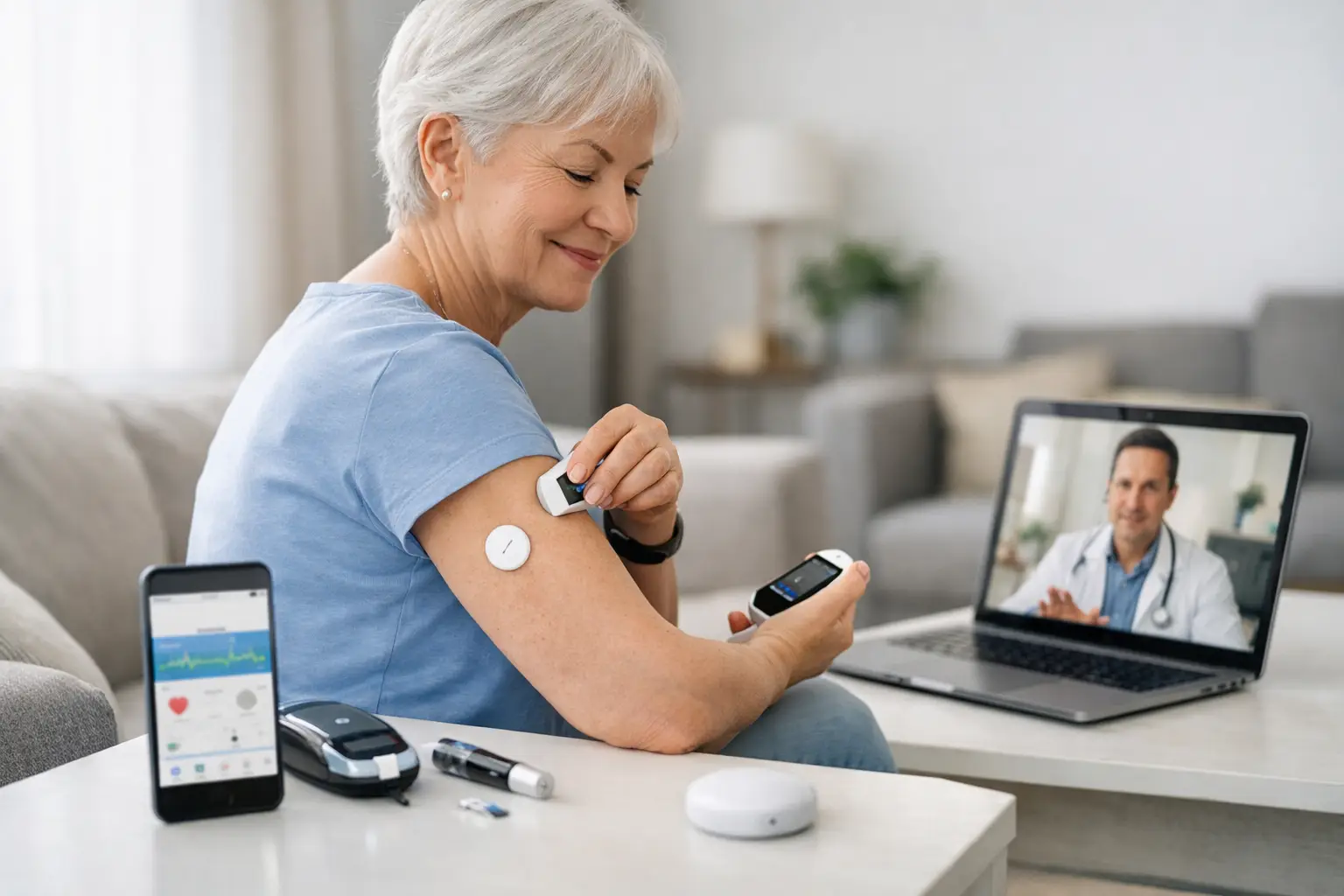
A glucose reading is useful. A pattern is far more powerful. If your numbers rise after late dinners, dip during demanding workdays, or change when a new medication, exercise plan, or hormone protocol begins, isolated lab values may not show the full picture. Remote patient monitoring for diabetes brings those real-life trends into view, giving your clinical team more context to help guide decisions between appointments.
For adults focused on energy, performance, body composition, and long-term health, diabetes care should not feel disconnected from the rest of the body. Blood sugar can influence sleep quality, appetite, recovery, mood, cardiovascular risk, and day-to-day stamina. The goal of monitoring is not to create more data for its own sake. It is to turn meaningful data into medically appropriate action.
What Remote Patient Monitoring for Diabetes Actually Does
Remote patient monitoring, often called RPM, uses connected health devices and structured check-ins to share selected health data with a care team outside the clinic. For diabetes, that may include glucose readings from a connected meter or continuous glucose monitor, along with relevant measures such as weight, blood pressure, activity, or medication adherence when appropriate.
The model is different from simply owning a wearable or checking an app. Consumer tools can show information, but a clinically directed monitoring program adds review, follow-up, and a care plan. Your provider may identify a recurring glucose pattern, ask targeted questions, recommend a follow-up visit, or coordinate changes within the scope of your treatment plan.
That distinction matters. A high fasting glucose after a poor night of sleep may not mean the same thing as a consistent rise over several weeks. Likewise, a glucose improvement can be encouraging, but it needs to be interpreted alongside nutrition, medications, medical history, symptoms, and laboratory results.
Why Glucose Trends Matter Beyond the Numbers
Diabetes management has always required attention to patterns, but life is rarely predictable. Business travel, restaurant meals, workouts, illness, stress, sleep disruption, and changing schedules can all affect glucose. Remote monitoring offers a more realistic view of how your body responds outside a single office visit.
For someone with type 2 diabetes, the care team may notice that glucose is consistently elevated in the morning, climbs after certain meals, or improves when activity is more consistent. For someone using insulin or living with type 1 diabetes, timely review and a clear escalation plan can be especially valuable. The right approach depends on the individual, their device, and the level of clinical support needed.
This information can also support broader metabolic care. People pursuing weight management, thyroid support, testosterone treatment, menopause care, or performance-focused wellness often want to understand how interventions affect their energy and body composition. Glucose data may add useful context, but it should never be used to self-adjust prescription medication or hormone therapy without clinician guidance.
A Better Fit for Busy, Results-Oriented Care
The most effective health plan is one you can follow consistently. Remote monitoring can reduce the gap between what happens in a provider’s office and what happens during a packed week at home, at work, or on the road.
Instead of trying to reconstruct several weeks from memory, you and your provider can discuss documented trends. That can make appointments more focused. It may also help identify when a concern deserves earlier attention rather than waiting for the next routine visit.
For many patients, the convenience is a meaningful advantage. Device data can be collected from home, while virtual or in-person provider visits can be scheduled around real life. This does not eliminate the need for labs, physical exams, or preventive screenings. It makes the care between those milestones more informed.
There is a trade-off, however. More data can feel motivating for one person and overwhelming for another. A strong program establishes which measurements matter, how often they should be reviewed, and what should prompt a call. The objective is clarity, not constant scrutiny.
How a Diabetes Monitoring Plan Is Built
A medically sound program starts with assessment, not a device. Your provider should review your diagnosis, current medications, health history, recent labs, symptoms, goals, and whether you have experienced low or high blood sugar episodes.
From there, the monitoring plan should fit your needs. A patient managing stable type 2 diabetes with oral medication may need a different workflow than a patient using insulin, beginning a new medication, or navigating significant metabolic changes. Some people benefit from periodic continuous glucose monitoring. Others may be better served by scheduled finger-stick readings and regular clinical review.
A typical care pathway includes four practical steps:
- Clinical evaluation: A qualified provider reviews your health history, glucose control, medications, lifestyle factors, and treatment goals.
- Device and data setup: You receive guidance on using the appropriate connected device and sharing readings reliably.
- Ongoing review: Your care team monitors agreed-upon data and reaches out when trends or reported symptoms require attention.
- Plan refinement: Recommendations may involve nutrition, activity, follow-up testing, medication discussions, or additional evaluation with your provider.
The details should always be individualized. There is no universal glucose target, ideal diet, or device that works for everyone.
What Patients Should Expect From Their Care Team
Remote monitoring works best when responsibilities are clear. Patients should know what data is being collected, how it is transmitted, who reviews it, and how quickly the team generally responds. They should also understand what to do when they feel unwell instead of assuming the device will trigger an immediate response.
Your care plan should include straightforward guidance on urgent symptoms. Severe low blood sugar, confusion, fainting, chest pain, shortness of breath, vomiting, dehydration, or signs of very high blood sugar require prompt medical attention. Remote monitoring is a layer of support, not emergency care.
Privacy also deserves attention. Connected devices handle personal health information, so ask how data is protected and how it is incorporated into your medical record. Choose a care model that treats your information with the same seriousness as your clinical outcomes.
At Alpha Hormones, a comprehensive approach can connect remote data with provider consultation, functional diagnostics, and preventive health goals. For the right patient, that broader view helps make glucose management part of a more intentional longevity strategy rather than an isolated task.
Is Remote Patient Monitoring for Diabetes Right for You?
It can be a strong option if you want closer accountability, have glucose patterns that are difficult to understand, are starting or adjusting a treatment plan, or want a more complete picture of how lifestyle choices affect your metabolic health. It may also be helpful for people who value virtual access but still want medically guided care.
It is not automatically necessary for every person with diabetes. If your condition is stable, you already have an effective routine, and your current care team is meeting your needs, additional monitoring may not add enough value. Device access, comfort with technology, insurance coverage, and the availability of a responsive clinical team can also shape the decision.
The right question is not whether you can collect more health data. It is whether the data will lead to better decisions. When remote monitoring is paired with a provider who understands your full health picture, it can replace guesswork with a clearer path forward – one reading, one pattern, and one well-timed adjustment at a time.