

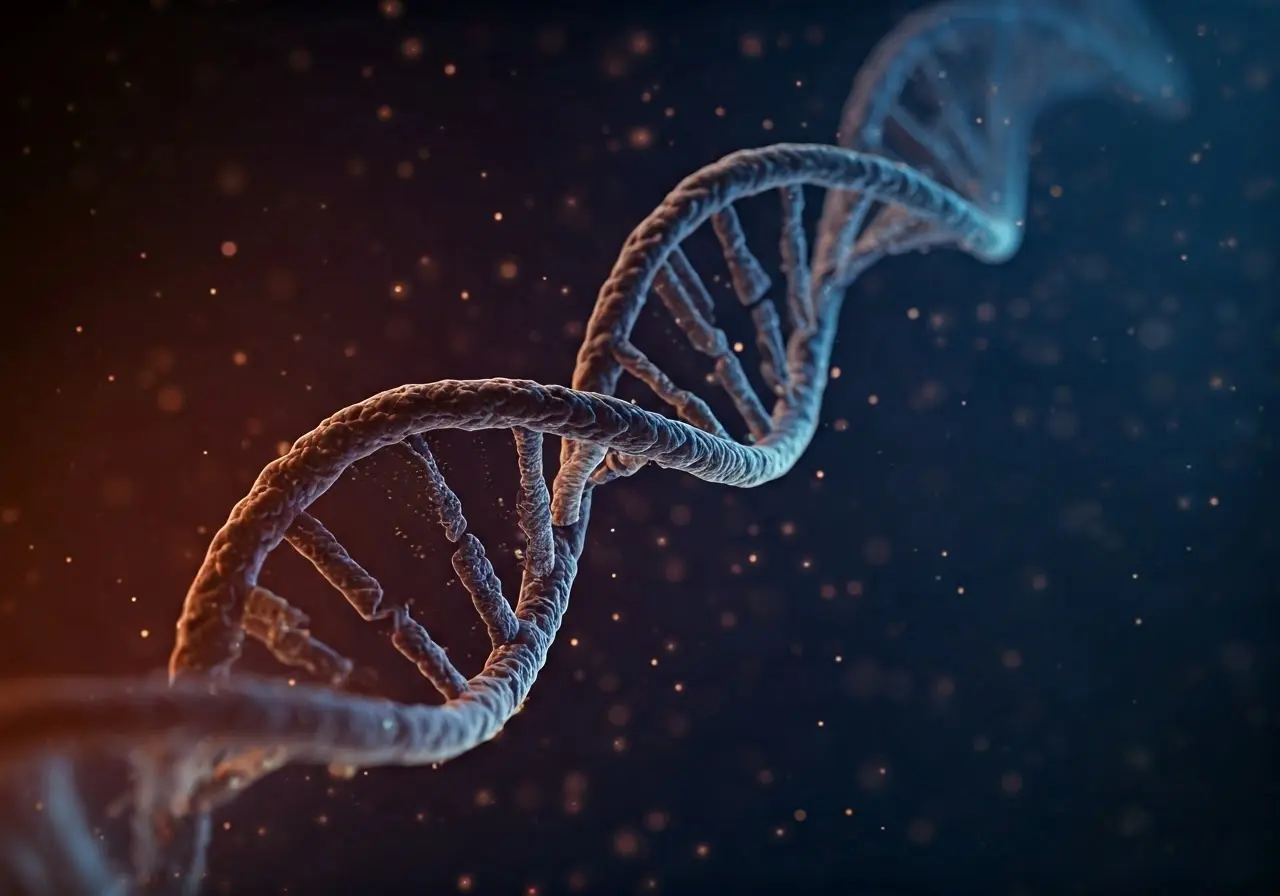
Understanding how hormones influence our genetic makeup and the aging process is a fascinating journey. As we delve into the intricate relationship between hormones, epigenetics, and aging, we can uncover secrets that contribute to longevity and wellness.
The Role of Hormones in Our Bodies
Hormones are chemical messengers that dictate how our bodies function on a cellular level. They are produced by endocrine glands and released into the bloodstream, where they act as signaling mechanisms that regulate various processes, including metabolism, growth, and mood. For instance, insulin regulates blood sugar levels, while thyroid hormones control metabolism. Without these messengers, our bodies would struggle to maintain homeostasis, leaving us vulnerable to a myriad of health problems.
It’s fascinating to consider how hormones like estrogen and testosterone also impact bone density and muscle mass. These hormones are crucial during puberty for growth and sexual development, and their decline as we age can lead to issues like osteoporosis and sarcopenia. Understanding the role of these chemical signals paves the way for targeted therapies that leverage hormone replacement or supplementation to promote better health outcomes.
What is Epigenetics and How is it Influenced?
Epigenetics is a rapidly evolving field that studies how external and internal factors can modify gene expression without changing the DNA sequence itself. Factors like diet, exercise, and stress profoundly influence epigenetic markers, hinting at the flexible nature of our genetic code. These markers, which include DNA methylation and histone modification, act like switches that can turn genes on or off. The exciting part of epigenetics is that these changes can be reversible, offering hope for interventions that might mitigate age-related diseases or even reverse aging processes to some extent.
Interestingly, research has uncovered that even temporary hormonal changes can leave lasting epigenetic marks. This provides insight into how hormonal therapies might be tailored not just to alleviate symptoms but to effect cellular changes at the genetic level. Understanding these dynamics further allows us to appreciate the ever-evolving ‘conversation’ between our genes and the environment, positioning us at the forefront of personalized medicine.
How Hormones Interact with Epigenetic Mechanisms

Hormones significantly affect how epigenetic mechanisms operate, which ultimately influences our genetic expression. For instance, stress hormones such as cortisol can alter DNA methylation patterns that impact the genes linked to inflammation and immune response. The dynamic nature of this interaction means that hormonal imbalances can lead to pathophysiological states if not properly managed. Research has shown that this interplay is reciprocated, where epigenetic changes can also influence hormone synthesis and receptor sensitivity, creating a complex but intriguing regulatory network within the body.
Another example of this interaction is the role of testosterone in men. Age-related decline in testosterone levels has been linked to changes in DNA methylation patterns that may accelerated aging. Intriguingly, testosterone therapy not only augments hormone levels but also appears to adjust these epigenetic markers back towards those of younger ages, providing insights into potential treatments for age-related decline in vital functions.
Impact of Hormones on the Aging Process
Aging is marked by a decline in various bodily functions, many of which are orchestrated by hormones. As estrogen levels drop in aging women, there’s an increased risk of cardiovascular disease and osteoporosis. Similarly, the decline of growth hormones is associated with loss of muscle strength and skin elasticity. Studies demonstrate that maintaining balanced hormone levels can significantly mitigate these effects, offering a path to a more vibrant aging experience. Hormone therapies, such as sermorelin and HGH, hold potential in fostering youthful vigor by promoting cellular regeneration and metabolism.
Moreover, epigenetic studies have provided a nuanced understanding of how aging can be decelerated. Epigenetic clocks measure biological age by assessing DNA methylation levels, offering a predictor of age-related health outcomes. Lifestyle changes that sustain hormone levels, complemented by interventions targeting epigenetic markers, are shown to slow down these epigenetic clocks, hinting at ways to extend human health span.
Strategies for Hormonal Balance and Healthy Aging
Achieving hormonal balance is fundamental to healthy aging. Strategies such as adopting a balanced diet rich in omega-3 fatty acids, engaging in regular physical activity, and managing stress through mindfulness and yoga have shown to promote hormonal health. Adequate sleep is also essential, as it plays a critical role in hormone regulation. Incorporating these habits into daily routines not only improves quality of life but could also impact epigenetic mechanisms, helping to delay the physiological signs of aging.
Supplements and therapies aimed at correcting hormonal imbalances—such as hormone replacement therapy—can be effective when properly supervised by medical professionals. The combination of lifestyle modifications and therapeutic interventions offers a comprehensive strategy for addressing age-related hormonal and epigenetic changes. By exploring these strategies, individuals can take proactive steps towards enhancing their well-being and vitality as they age.
Embracing the Power of Hormones for Longevity
As we unlock the secrets of hormones and their impact on epigenetics and aging, it becomes clear that integrating this knowledge into our lifestyles can lead to healthier and more fulfilling lives. Embracing these insights empowers us to make informed decisions that promote longevity and vitality.
















4 Responses
I loved as much as you’ll receive carried out right here. The sketch is tasteful, your authored material stylish.
Wow wonderful blog layout How long have you been blogging for you make blogging look easy The overall look of your site is great as well as the content
Your blog is a true hidden gem on the internet. Your thoughtful analysis and engaging writing style set you apart from the crowd. Keep up the excellent work!
Your blog is a testament to your dedication to your craft. Your commitment to excellence is evident in every aspect of your writing. Thank you for being such a positive influence in the online community.