Personalized Hormone Care

Hormone Pellet Therapy for Men and Women

Explore a long-acting hormone-delivery option with individualized evaluation, laboratory review, informed consent, and ongoing clinical monitoring.

  • Individualized evaluation
  • Laboratory-guided care
  • Ongoing monitoring
Understanding Pellet Therapy

A Long-Acting Hormone Delivery Option

Hormone pellets are placed beneath the skin during a minor office procedure and release medication gradually. Whether this option is appropriate depends on your symptoms, medical history, examination, laboratory findings, treatment goals, risk factors, and preferences.

Man learning about testosterone pellet therapy
Hormone Care for Men

Testosterone Pellet Therapy

Men with symptoms and laboratory findings consistent with testosterone deficiency may discuss pellets alongside injections, topical medications, and other appropriate treatment options.

Evaluation may include symptoms, medical history, examination, testosterone measurements, blood count, prostate-related assessment when appropriate, fertility goals, cardiovascular risk, and ongoing monitoring needs.

Woman learning about hormone pellet therapy
Hormone Care for Women

Menopause and Hormone Care

Women experiencing menopause-related symptoms may discuss available hormone-therapy formulations, including FDA-approved options and, when clinically appropriate, compounded therapies.

Evaluation may include symptoms, menstrual and reproductive history, breast and uterine history, cardiovascular and clotting risk, current medications, screening status, laboratory findings, and treatment preferences.

Pellet therapy is not appropriate for every patient. Potential benefits, risks, alternatives, product status, monitoring requirements, and the limited ability to adjust or remove a pellet after insertion should be reviewed before treatment.

Transparent Self-Pay Pricing

Hormone Pellet Treatment Pricing

Pellet treatment is offered on a self-pay basis. Pricing differs for men and women because individualized treatment plans, dosing, and typical reinsertion intervals differ.

Men's Pellet Treatment

Testosterone Pellets for Men

$1,000 per treatment
Typically considered every 5–6 months
  • Self-pay service: pellet treatment is not billed to insurance
  • Laboratory testing: not included in the treatment price
  • Individualized timing: reinsertion follows clinical reassessment
Women's Pellet Treatment

Hormone Pellets for Women

$600 per treatment
Typically considered every 3–4 months
  • Self-pay service: pellet treatment is not billed to insurance
  • Laboratory testing: not included in the treatment price
  • Individualized timing: reinsertion follows clinical reassessment

Treatment intervals are estimates, not guarantees. Actual timing and dosing are determined individually from symptoms, examination, laboratory findings, clinical response, and provider recommendations. Pricing and availability are subject to confirmation before treatment.

What to Expect

From Evaluation to Follow-Up

Pellet therapy should be part of a broader care plan—not a one-time procedure. Care begins with evaluation and continues through recovery, reassessment, and laboratory monitoring.

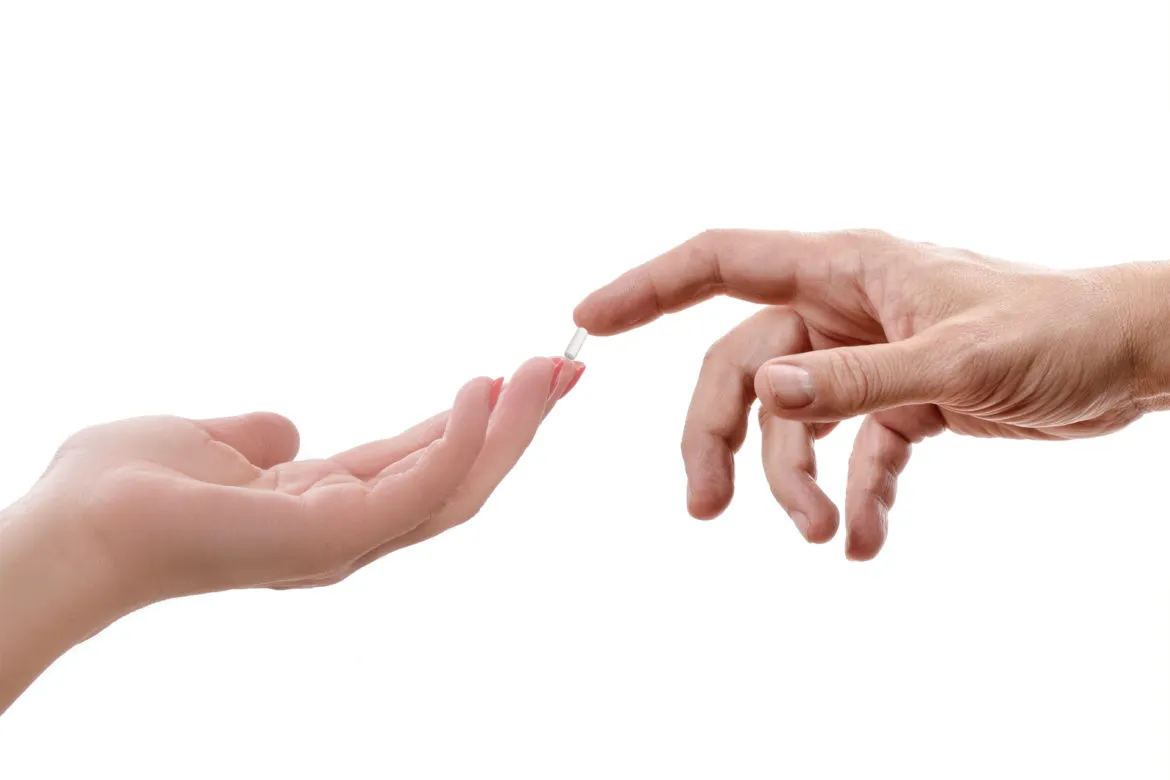
Hormone pellet used for subcutaneous insertion
Step 01 · Evaluation

Determine Whether Pellet Therapy Fits Your Needs

  • Clinical review: symptoms, health history, medications, risk factors, and goals.
  • Appropriate testing: laboratory and other screening based on the individual.
  • Shared decision-making: compare pellets with injections, patches, gels, oral, transdermal, or other options when applicable.
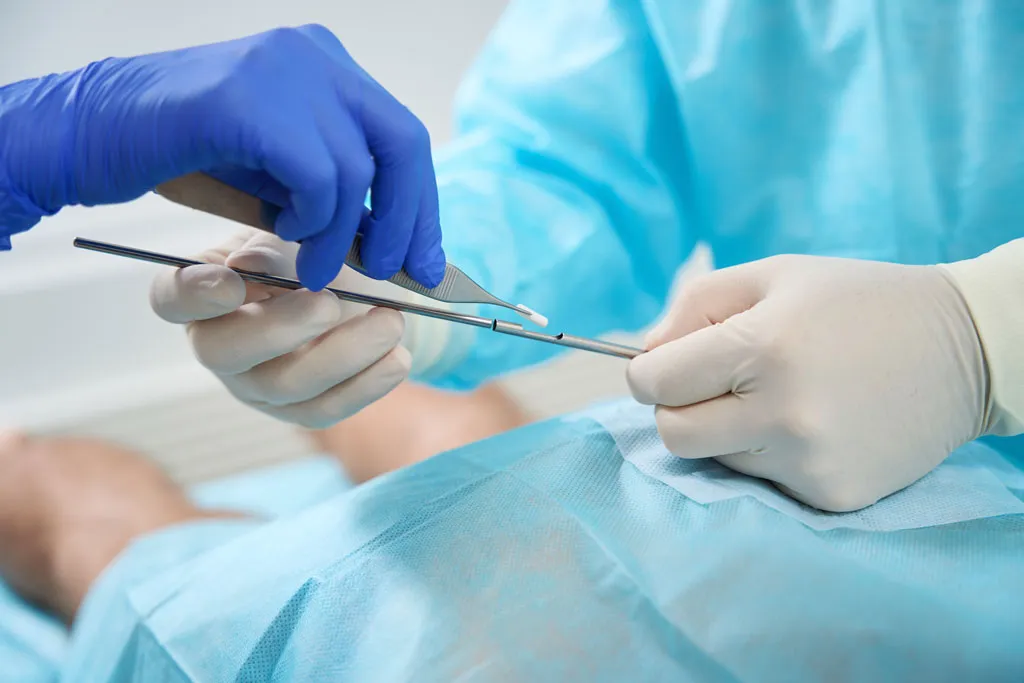
Clinician preparing a hormone pellet insertion
Step 02 · Procedure

A Minor In-Office Insertion

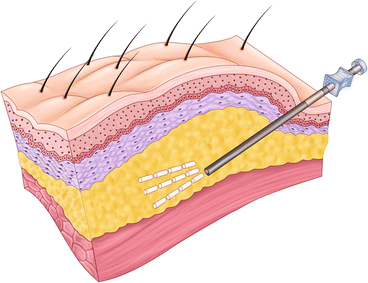
  • Placement: pellets are generally inserted beneath the skin through a small incision, commonly near the upper buttock or hip.
  • Comfort: local anesthetic may be used; pressure, tenderness, bruising, or discomfort can occur.
  • Planning: medication instructions, including anticoagulants, must come from the prescribing clinician. Do not stop medication independently.
Medical illustration of a pellet insertion beneath the skin
Step 03 · Monitoring

Recovery and Ongoing Clinical Follow-Up

  • Aftercare: follow the provider’s wound care, bathing, dressing, and activity instructions.
  • Reassessment: symptoms, side effects, examination findings, and laboratory results may guide follow-up.
  • Future dosing: timing varies and should be determined from clinical response—not a guaranteed calendar schedule.
Informed Decision-Making

Understand Benefits, Limits and Alternatives

Pellets may reduce the need for frequent self-dosing, but they are not automatically safer, more natural, or more effective than other hormone formulations. Once inserted, the dose cannot be quickly adjusted in the same way as a topical, oral, or injectable medication.

Potential advantages

Long-acting delivery and less frequent administration may be convenient for appropriately selected patients.

Procedure-related risks

Possible risks include pain, bruising, bleeding, infection, scarring, poor wound healing, pellet extrusion, or the need for additional medical care.

Hormone-related risks

Risks and side effects depend on the hormone, dose, medical history, and individual response. Your provider should review these before prescribing.

Compounded-product status

Compounded medications are not FDA-approved as finished drug products and are not reviewed by the FDA in the same manner as approved medications.

Patient Education

Hormone Pellet Therapy Questions

Review common questions about candidacy, insertion, monitoring, safety, and treatment alternatives.

What is hormone pellet therapy?

Hormone pellet therapy uses small implants placed beneath the skin to release medication gradually. Depending on the patient and prescribed therapy, pellets may contain testosterone or estradiol.

Who may be considered for pellet therapy?

Candidacy requires an individualized medical evaluation. Symptoms alone do not establish a diagnosis or determine whether pellets are appropriate.

Are hormone pellets FDA-approved?

Compounded hormone pellets are not FDA-approved as finished drug products. Patients should be counseled about product status, available FDA-approved formulations, potential benefits, risks, and reasonable alternatives.

Are bioidentical hormones automatically safer?

No. “Bioidentical” describes chemical structure; it does not establish that a product is safer or more effective. Risk depends on the hormone, formulation, route, dose, medical history, and monitoring.

How quickly will I notice a difference?

Response varies. Some patients notice changes sooner than others, while some may not receive the desired benefit. No specific response or timeline can be guaranteed.

How often are pellets replaced?

Timing varies by medication, dose, symptoms, laboratory findings, metabolism, and clinical response. Reinsertion should follow reassessment rather than an automatic schedule.

Can the dose be changed after insertion?

Not easily. Unlike a cream, patch, oral medication, or injection schedule, pellet exposure cannot simply be stopped or quickly adjusted after insertion. This is an important consideration before treatment.

What risks should I discuss with my provider?

Discuss procedure-related risks, hormone-related adverse effects, cardiovascular and clotting history, breast, uterine or prostate considerations, fertility goals, current medications, cancer history, sleep apnea, and other individual risk factors.

Should I stop blood thinners before insertion?

Never stop an anticoagulant, antiplatelet drug, or other prescribed medication on your own. The clinician performing the procedure and the prescribing clinician should provide individualized instructions.

What should I expect after the procedure?

Temporary soreness, swelling, bruising, or activity restrictions may occur. Follow the provided wound-care instructions and contact the clinic for worsening pain, spreading redness, drainage, fever, bleeding, wound opening, or other concerning symptoms.

What alternatives can I discuss?

Depending on your diagnosis and goals, alternatives may include FDA-approved patches, gels, injections, oral or vaginal products, nonhormonal treatments, lifestyle measures, or monitoring without medication.

Does pellet therapy cause weight loss?

Pellet therapy is not a guaranteed weight-loss treatment. Body weight is influenced by nutrition, activity, sleep, medications, metabolic health, medical conditions, and many other factors.

Personalized Hormone Consultation

Is Pellet Therapy the Right Option for You?

Meet with an Alpha Hormones® medical provider to review your symptoms, medical history, laboratory findings, treatment preferences, potential risks, and available alternatives.

Schedule a Consultation