Clinical Review
Discuss goals, diagnosis, medications, bleeding risk, prior procedures, and alternatives.

A clearer guide to how PRP is prepared, where it is used, what the evidence suggests, and what to discuss before treatment.
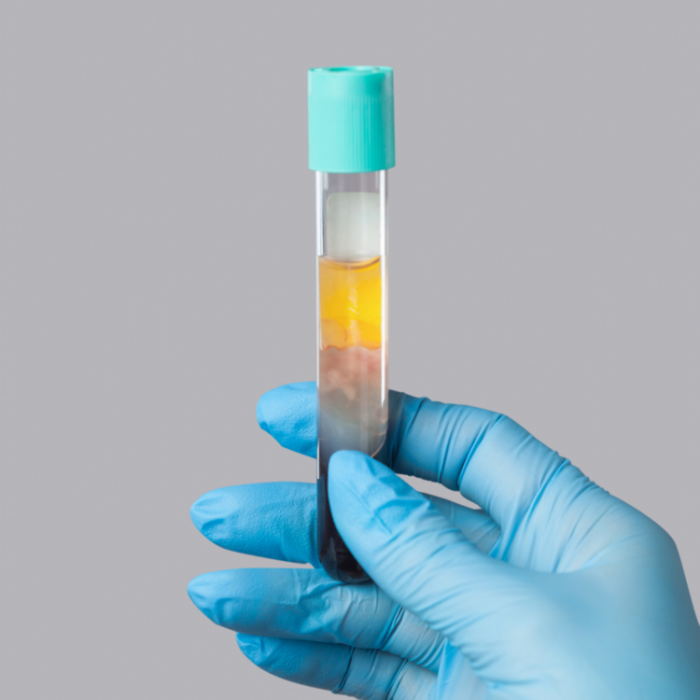
Platelet-rich plasma is prepared from a small sample of your blood. The sample is processed—usually with a centrifuge—to separate and concentrate platelets in plasma. The resulting preparation is then applied or injected into a selected area by a trained clinician.
Platelets contain proteins involved in clotting and tissue signaling. PRP preparations are not all identical: platelet concentration, white-cell content, processing systems, and treatment protocols can differ.
Exact preparation and administration vary by indication and clinical protocol.
Discuss goals, diagnosis, medications, bleeding risk, prior procedures, and alternatives.
A small amount of venous blood is collected using sterile technique.
The sample is centrifuged to create the platelet-containing plasma preparation.
The preparation is administered to the selected area, followed by aftercare instructions.
Evidence, regulatory status, expected outcomes, and protocols differ by application. A consultation should focus on the specific use—not PRP in general.
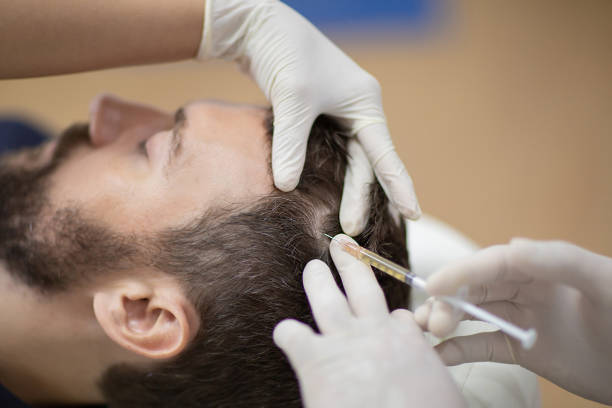
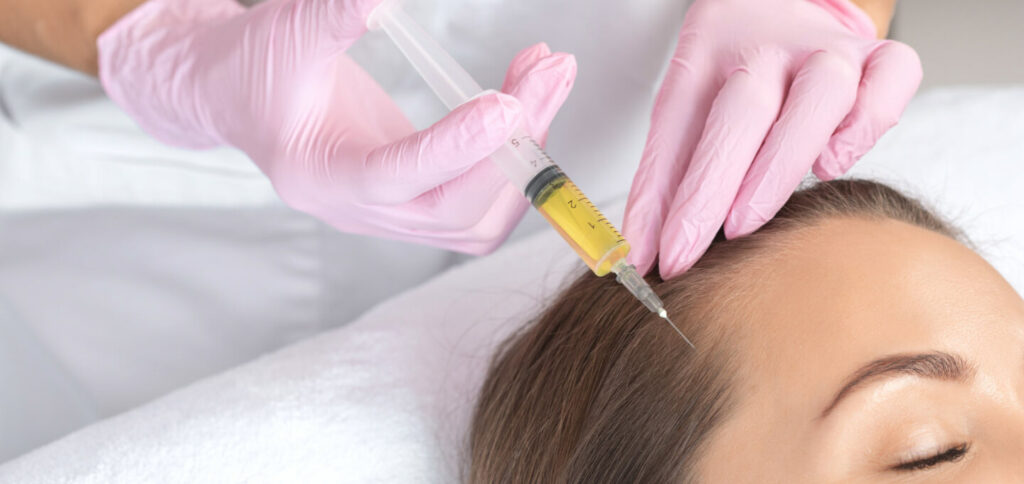
PRP is used by some clinicians for selected types of hair loss. Diagnosis matters because shedding, scarring alopecia, nutrient deficiency, thyroid disease, medications, and androgenetic hair loss require different plans.
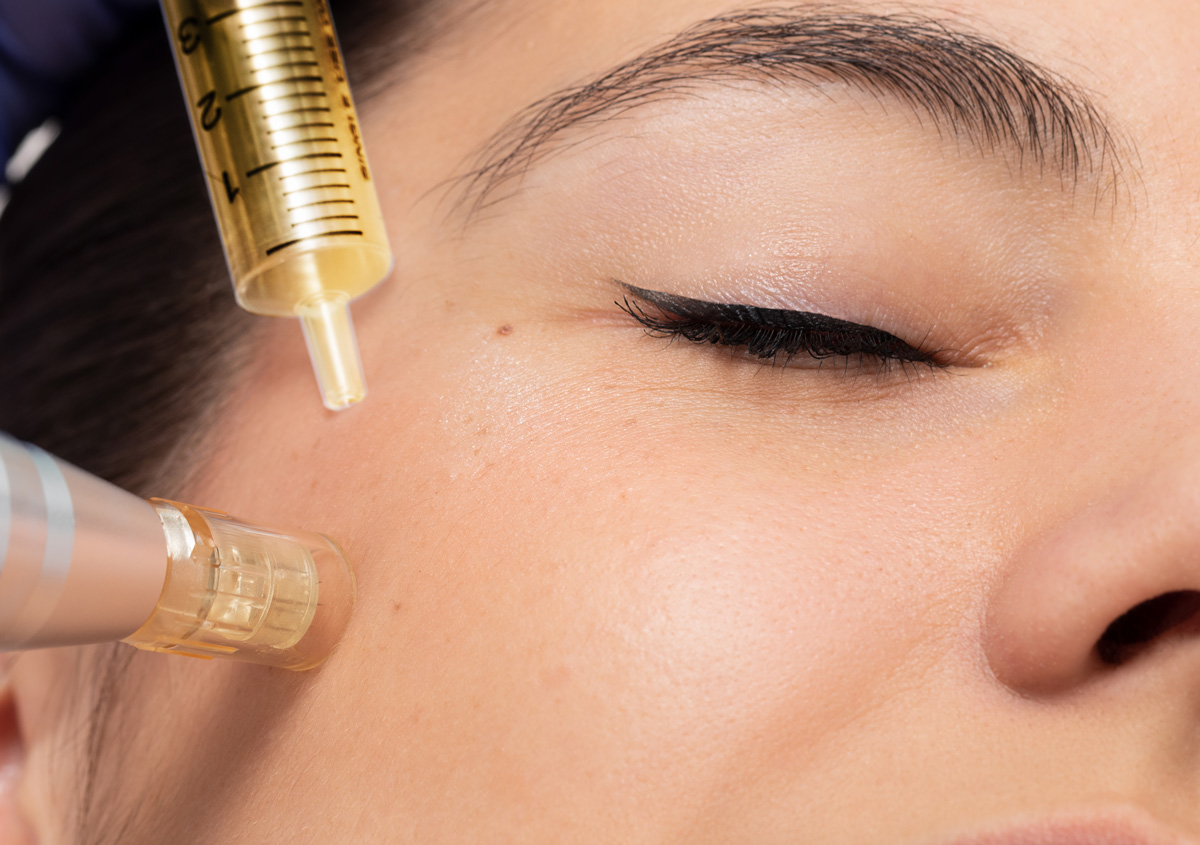
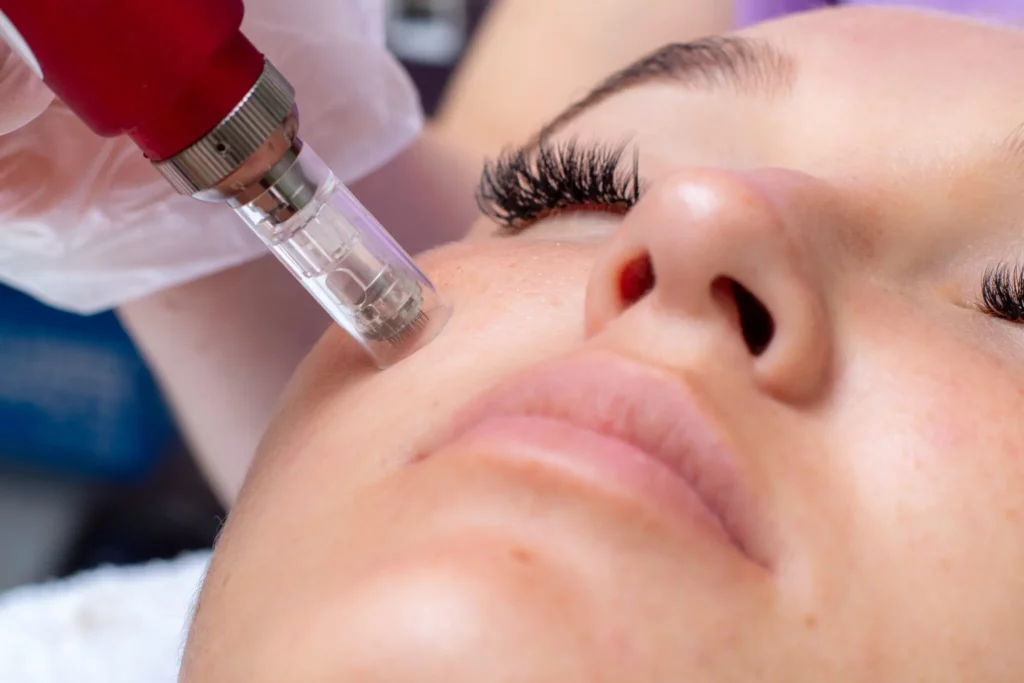
Some practices combine PRP with microneedling for skin-quality goals. This combination is off-label; the FDA has not cleared microneedling devices for delivery of PRP into the skin.
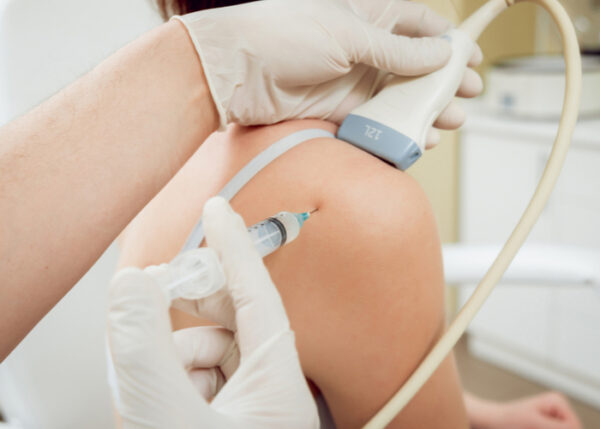
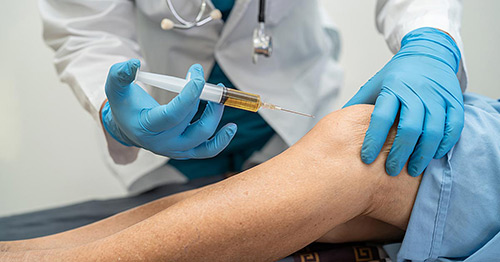
PRP is used in some orthopedic settings, but evidence varies by diagnosis, preparation, and injection protocol. It should follow an appropriate examination and discussion of established options.

PRP procedures marketed for sexual function remain investigational. Benefits are uncertain, protocols are not standardized, and treatment should not delay evaluation for vascular, hormonal, medication-related, or psychological contributors.
These are not PRP. Products marketed as exosome or stem-cell treatments have different sourcing, manufacturing, regulatory, and safety issues. The FDA warns consumers about unapproved regenerative products marketed to treat a wide range of conditions.
They should not be presented as simple PRP “boosters” or assumed to provide added benefit.
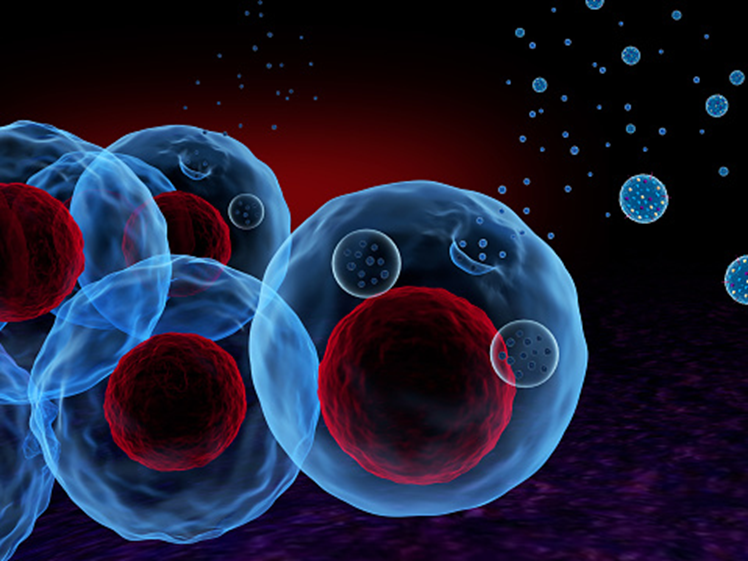
PRP is a preparation method, not one uniform medication. Results depend on the condition, protocol, patient factors, and outcome being measured.
A diagnosis and realistic goal should come before treatment. Not every hair, skin, joint, or sexual-health concern is likely to respond.
Collection tubes, centrifugation, platelet concentration, leukocyte content, volume, activation, and administration can vary.
Some patients may notice gradual change; others may not. The number of sessions and maintenance needs depend on the application.

After activation, platelets release signaling proteins involved in clotting and tissue responses. Laboratory biology does not by itself prove that a procedure improves a particular condition; clinical evidence for the specific use remains essential.
Using your own blood does not make a procedure risk-free. The treatment site, technique, sterility, diagnosis, and health history all matter.

Schedule a consultation to review your concern, evidence-based alternatives, candidacy, expected experience, risks, cost, and follow-up plan.
Book Your Consultation →This content is for general education and does not replace medical advice. PRP uses, protocols, evidence, and regulatory status vary. Many aesthetic, musculoskeletal, and sexual-wellness applications are off-label or investigational. Individual outcomes are not guaranteed.

Explore our professional credentials, supplement store, available financing, and website security verification.