Physician-Guided Insulin Therapy and Diabetes Management
Insulin therapy can be an essential part of diabetes care when the body does not produce enough insulin or cannot use insulin effectively. At Alpha Hormones®, treatment begins with a medical evaluation, review of glucose patterns, Hemoglobin A1c, and laboratory testing. When insulin is clinically appropriate, the goal is to create a safe, practical plan that supports blood sugar control while reducing the risk of low blood sugar.
The First Therapeutic Peptide to Transform Modern Medicine
Insulin is a naturally occurring peptide hormone and one of the most consequential therapies in medical
history. Before insulin became available in the early 1920s, type 1 diabetes was usually fatal. The discovery
and clinical development of insulin transformed diabetes into a condition that could be treated and
monitored over a lifetime.
Frederick Banting and John Macleod were awarded the 1923 Nobel Prize in Physiology or Medicine for the
discovery of insulin. Charles Best and James Collip also made essential contributions to the research and
purification work that allowed insulin to be used clinically.
What Is Insulin?
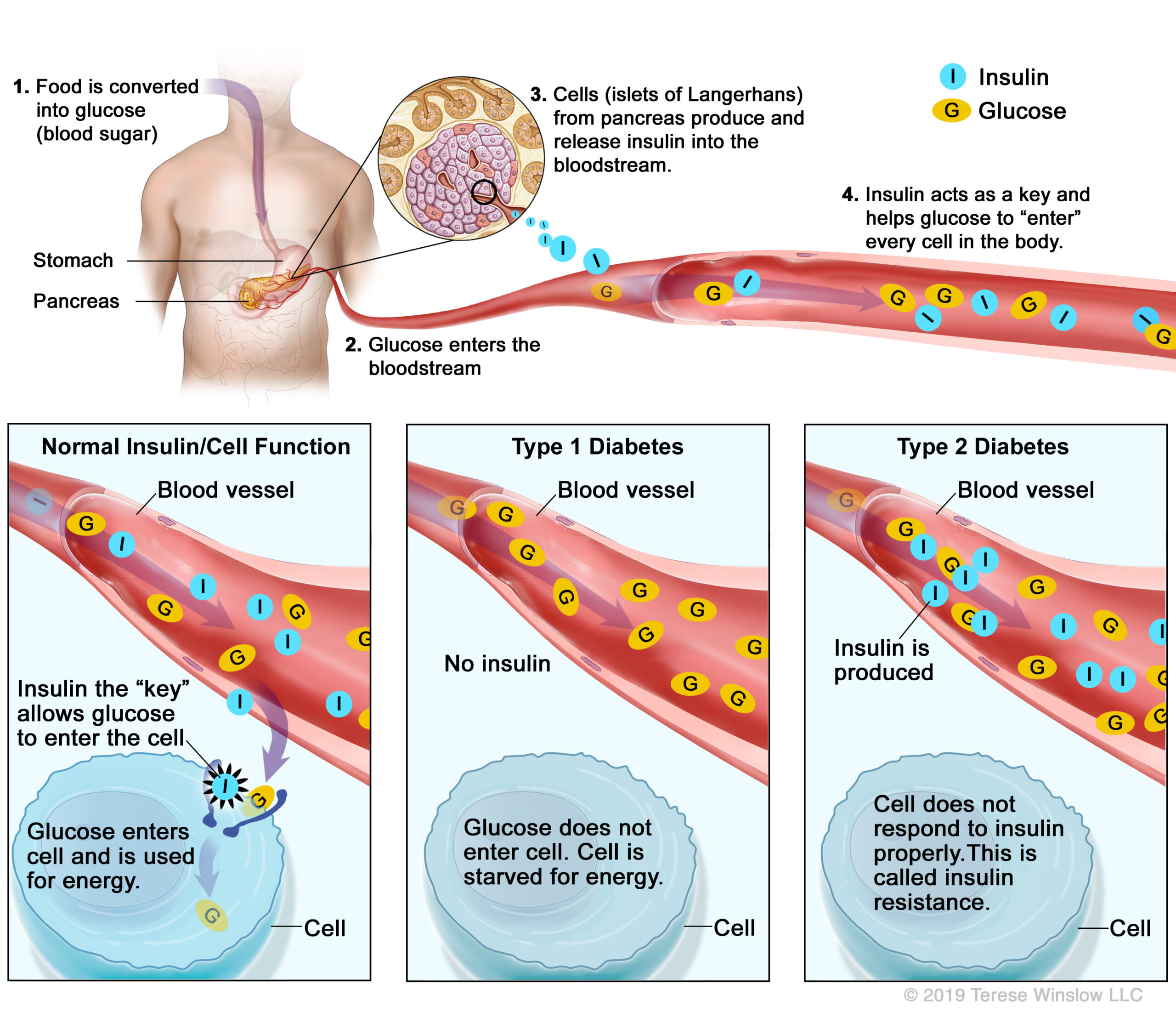
Insulin is a peptide hormone produced by beta cells in the pancreas. After carbohydrates are digested, glucose enters the bloodstream. Insulin helps move glucose into muscle and fat cells for energy and signals the liver to store excess glucose.
When the body becomes resistant to insulin or the pancreas cannot produce enough, glucose can build up in the blood. Over time, persistently high blood sugar may progress from prediabetes to type 2 diabetes. Type 1 diabetes occurs when the immune system destroys the insulin-producing beta cells.
A Personalized Approach to Insulin Therapy
There is no single insulin plan that fits every patient. The appropriate insulin type, dose, and schedule depend on the type of diabetes, current medications, meals, activity level, kidney and liver function, glucose-monitoring data, and individual treatment goals.
Some patients may need long-acting basal insulin, mealtime insulin, or a combination approach. Insulin—including any off-label use—should only be prescribed for a medically appropriate reason with careful glucose monitoring. It is not recommended solely for fitness, performance, or physique enhancement because it can cause dangerously low blood sugar.
How Insulin Works
Insulin is a hormone that helps glucose move from the bloodstream into cells, where it can be used for energy. It also helps regulate glucose released by the liver. In diabetes, supplemental insulin may be needed to keep blood glucose within an individualized target range and reduce the risk of acute and long-term complications.
Types of Insulin
Rapid-acting insulin: generally used around meals or to correct elevated glucose.
Short-acting insulin: begins working less quickly than rapid-acting products and may be used with meals in selected plans.
Intermediate-acting insulin: provides coverage for part of the day or night
Long-acting insulin: supplies background or basal insulin over an extended period.
Combination insulin: contains more than one insulin type in a fixed proportion.
Monitoring and Follow-Up
Safe insulin use requires ongoing monitoring. Depending on your needs, this may include finger-stick testing, continuous glucose monitoring (CGM), HbA1c testing, and reviewing nutrition, activity, and symptoms.
When appropriate, we may use Remote Patient Monitoring (RPM) to securely receive and review glucose readings between visits. Eligible patients may also receive Chronic Care Management (CCM) for ongoing support and care coordination. Follow-up helps your clinician identify patterns, adjust treatment, and address concerns such as low blood sugar, injection technique, medication storage, and travel. These services do not replace urgent or emergency care.
Low Blood Sugar or Hypoglycemia Safety
Hypoglycemia can occur when insulin lowers glucose below a safe level. Symptoms may include sweating, shaking, hunger, dizziness, weakness, confusion or a rapid heartbeat. Patients should receive an individualized plan for recognizing and treating low blood sugar. Severe confusion, seizure or loss of consciousness requires emergency assistance.
What to Expect
Review of medical history, current medications and prior glucose results
Assessment of glucose patterns and individualized goals
Education about injection technique, timing, storage and sharps disposal
A written monitoring and hypoglycemia plan
Regular follow-up and treatment adjustments when clinically indicated
Insulin may be recommended when the body does not make enough insulin, when other medications do not provide adequate glucose control, during pregnancy or serious illness, or when very high glucose creates an immediate health risk. The decision is individualized
Basal insulin provides background coverage between meals and overnight. Mealtime insulin is timed around food to help manage the rise in glucose after eating. Some patients need one type; others need both
No. Diabetes changes over time, and needing insulin is not a personal failure. Insulin is an evidence-based treatment that replaces or supplements a hormone the body needs.
Common symptoms include sweating, shaking, hunger, dizziness, weakness, confusion and a fast heartbeat. Symptoms vary, so each patient should have a written treatment plan. Severe confusion, seizure or loss of consciousness is an emergency.
A continuous glucose monitor can show glucose trends throughout the day and may help identify patterns related to meals, activity, sleep and medication. It is useful for many patients, but it is not required for everyone.
Storage depends on the specific product. Unopened insulin is commonly refrigerated, while many opened products may be kept at room temperature for a limited period. Patients should follow the product label and pharmacy instructions and avoid freezing or excessive heat.
Yes. Insulin is sometimes used with metformin, GLP-1 receptor agonists or other medications. Combination therapy must be selected and monitored by a clinician because doses and risks may change.
Follow-up frequency depends on glucose stability, recent medication changes, hypoglycemia risk and overall health. New or adjusted insulin plans generally require closer monitoring until glucose patterns are stable.
Schedule a Consultation
Schedule a physician-led diabetes consultation to discuss your glucose results, current medications and whether insulin or another treatment approach may be appropriate for you.