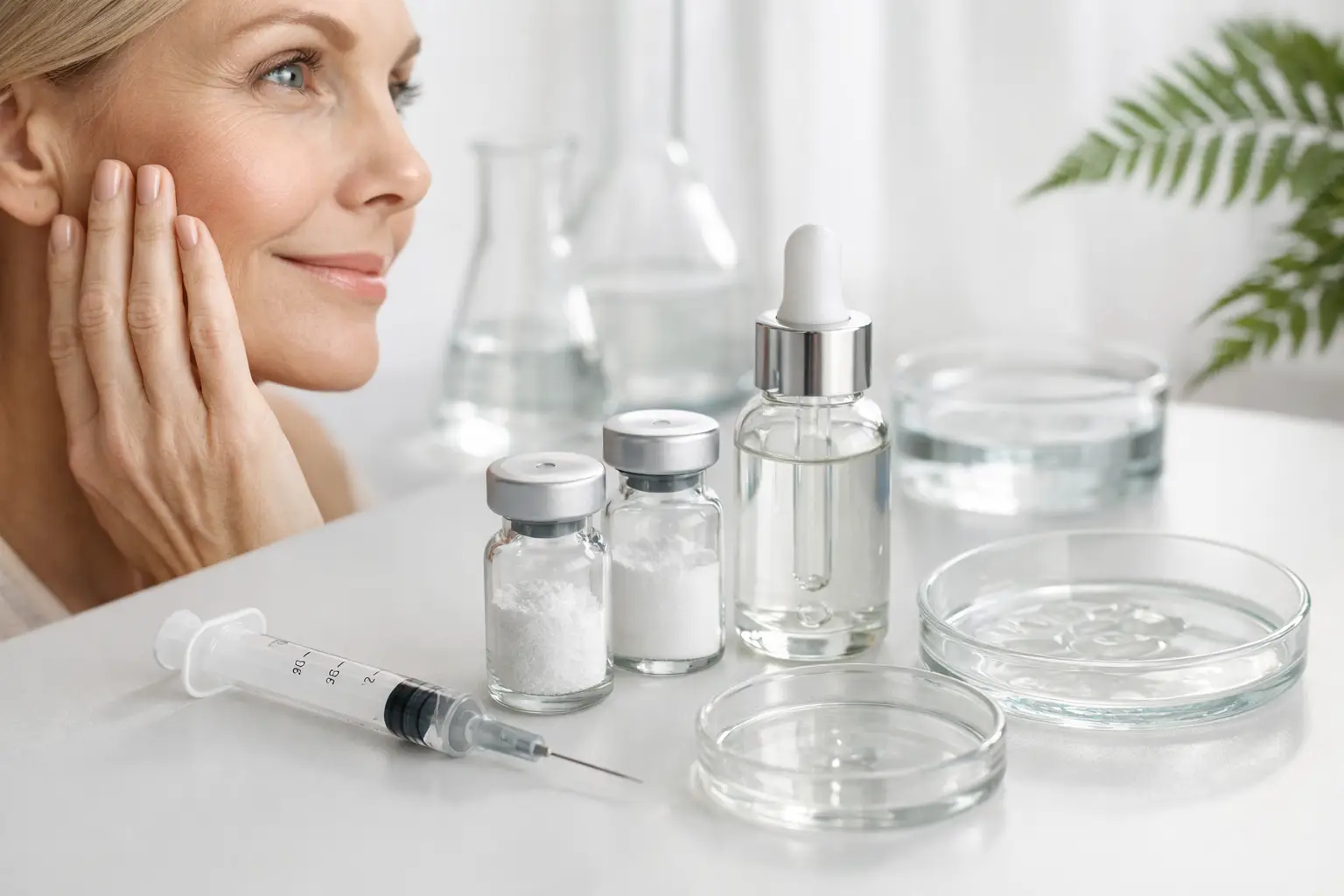
Aging rarely announces itself with one dramatic change. More often, it shows up as a slower recovery after training, thinner-looking skin, disrupted sleep, stubborn body composition shifts, or energy that no longer matches your ambition. The search for the best peptides for anti aging is really a search for a more targeted way to support the systems that influence how you look, feel, and perform over time.
Peptides are not a single anti-aging solution, and they should not be treated as one. These short chains of amino acids can act as signaling molecules in the body, with different compounds designed to influence tissue repair, growth hormone signaling, skin quality, or metabolic function. The right conversation starts with your goals, health history, lab work, current medications, and the measurable changes you want to see.
What Peptide Therapy Can and Cannot Do
A medically guided peptide protocol may support specific aspects of healthy aging, including recovery capacity, sleep quality, lean mass maintenance, skin appearance, and body composition. For people navigating midlife hormone shifts, high work demands, or a plateau in training performance, that focused support can be meaningful.
Still, peptide therapy is not a replacement for sleep, nutrition, resistance training, stress management, or appropriate hormone and thyroid care. It is also not a cosmetic shortcut that reverses biological age. Results vary based on the peptide selected, dose, delivery method, underlying health status, and consistency with the rest of the care plan.
The strongest protocols are built around a clinical question. Is recovery lagging despite smart training? Is sleep fragmented? Are age-related changes in body composition occurring alongside low testosterone, perimenopause, thyroid dysfunction, or insulin resistance? Answering that question first prevents a popular peptide from becoming an expensive distraction.
Best Peptides for Anti Aging Goals
GHK-Cu for Skin Quality and Visible Aging
GHK-Cu is a copper-binding peptide commonly used in topical aesthetic formulations. It has drawn attention for its role in pathways associated with collagen production, extracellular matrix remodeling, and skin repair. For patients focused on fine lines, texture, firmness, and overall skin quality, it is one of the more relevant peptide categories to discuss.
Topical GHK-Cu is not equivalent to an injectable peptide protocol, and expectations should remain realistic. It may complement a disciplined skincare strategy that includes sun protection, retinoid-based care when appropriate, and professional aesthetic treatments. Its value is usually gradual rather than dramatic, which is often what sustainable skin improvement looks like.
Sermorelin for Growth Hormone Signaling
Sermorelin is a growth hormone-releasing hormone analog that prompts the pituitary gland to release growth hormone. Rather than administering growth hormone directly, it works upstream through the body’s own signaling system. For appropriately selected adults, clinicians may consider it when the goal is to support recovery, sleep, exercise capacity, or age-related shifts in body composition.
This approach is not appropriate for everyone. A careful provider will evaluate symptoms, relevant labs, personal and family history, and potential contraindications before recommending any therapy that affects growth hormone pathways. Ongoing monitoring matters because more is not better when it comes to hormone-related signaling.
CJC-1295 and Ipamorelin for Recovery and Sleep Support
CJC-1295 and ipamorelin are often discussed together in longevity and performance settings because they influence growth hormone secretion through different mechanisms. CJC-1295 acts on growth hormone-releasing hormone pathways, while ipamorelin is a growth hormone secretagogue that acts through ghrelin receptors.
The appeal is understandable: better sleep, improved recovery, preservation of lean mass, and support for body composition are all high-value outcomes for busy adults. But these are not universal results or guaranteed outcomes. The clinical decision depends on the formulation, the patient’s metabolic health, sleep pattern, goals, and whether another issue – such as untreated sleep apnea, low sex hormones, or poor nutrition – is the real performance limiter.
BPC-157 for Injury Recovery Conversations
BPC-157 has become popular in discussions about tendon, ligament, muscle, and gastrointestinal recovery. It is frequently requested by active patients who want to stay consistent in the gym, on the golf course, or in demanding recreational sports as they get older.
The key distinction is that injury recovery is not the same as broad anti-aging care. Human clinical evidence remains limited, and BPC-157 is not FDA-approved to treat injuries or reverse aging. It may be part of a medically considered conversation in select circumstances, but it should never replace a diagnosis, physical therapy, imaging when needed, or a sound return-to-training plan.
Thymosin Alpha-1 and Immune Resilience
Immune function can become more relevant with age, especially for people under chronic stress, sleeping poorly, or recovering from frequent illness. Thymosin alpha-1 is a peptide that has been studied for immune-modulating effects in certain medical contexts.
That does not make it a routine longevity peptide for every healthy adult. Immune therapies require particular care for patients with autoimmune conditions, immunosuppressive medications, or complex medical histories. The right protocol is one that respects the immune system’s complexity rather than trying to stimulate it indiscriminately.
Why Lab Work Changes the Conversation
The same symptom can come from very different causes. Fatigue may reflect low testosterone, menopausal hormone changes, thyroid dysfunction, iron deficiency, poor sleep, depression, medication effects, or an overly aggressive training schedule. A peptide selected without diagnostic context may miss the actual issue.
A comprehensive evaluation typically looks beyond a single marker. Depending on your concerns, a provider may assess sex hormones, thyroid function, metabolic markers, inflammatory patterns, nutrient status, glucose regulation, and other clinically relevant measures. If a peptide is appropriate, baseline data also gives your care team a way to monitor response and adjust responsibly.
For example, someone whose main concern is loss of lean mass may need a different path than someone dealing with skin changes and menopausal symptoms. Another patient may benefit more from treating sleep apnea or optimizing testosterone therapy than from adding a growth hormone secretagogue. Personalized care is not a slogan here. It is the difference between treating a trend and treating the person.
Safety, Regulation, and Smart Expectations
Many peptides discussed in wellness settings are not FDA-approved specifically for anti-aging use. Some may be prescribed through legitimate clinical pathways or prepared by compounding pharmacies when medically appropriate, while others may have limited human data or significant quality concerns outside regulated care. Online products marketed as research compounds are not a safe substitute for medical oversight.
Potential side effects differ by peptide and can include injection-site reactions, headaches, changes in appetite, fluid retention, fatigue, altered glucose control, or effects on hormone-related pathways. A qualified medical provider should review your full medication list and history, particularly if you have cancer history, uncontrolled metabolic disease, cardiovascular concerns, endocrine conditions, or are pregnant or breastfeeding.
The goal is not to collect more compounds. It is to use the fewest appropriate tools needed to improve a defined outcome while monitoring how your body responds.
A More Effective Anti-Aging Strategy
The most effective longevity plan layers interventions in the right order. Start with diagnostics and foundational habits. Address clinically meaningful hormone, thyroid, sleep, metabolic, or nutritional issues. Then consider whether peptide therapy offers an additional advantage for your specific goals.
At Alpha Hormones, that process is designed to be structured rather than transactional: consultation, diagnostic review, an individualized care plan, and ongoing follow-up based on how you feel and what your data shows. This is especially valuable when anti-aging concerns overlap with low libido, declining performance, weight resistance, or the changes that come with perimenopause and andropause.
The best next step is not choosing the most talked-about peptide. It is choosing a clinician who will ask better questions, measure what matters, and help you build a plan that supports the years you intend to make your strongest.