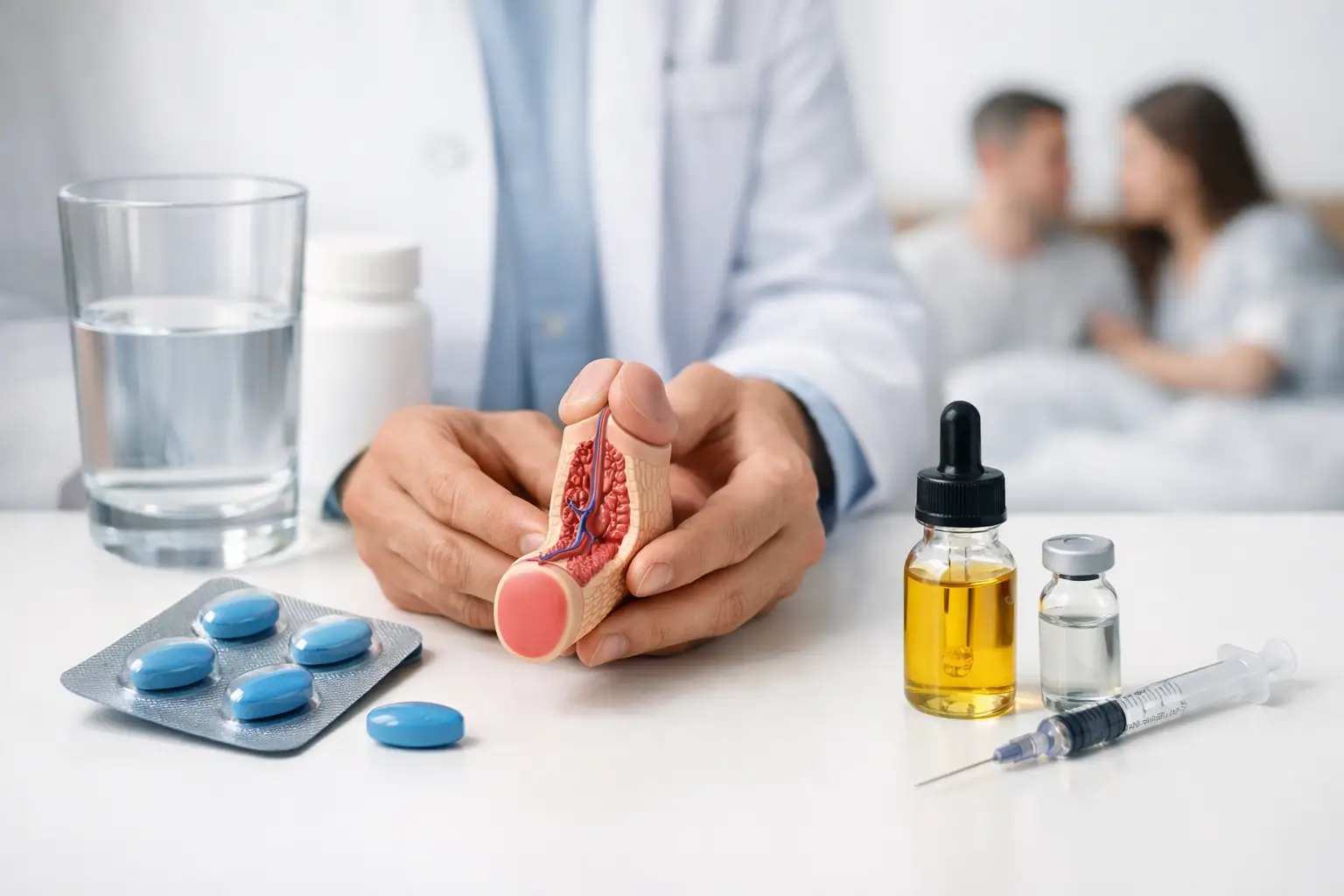
Erectile dysfunction can be an early signal that more than sexual performance needs attention. For many men, it intersects with blood flow, hormone status, sleep quality, medication effects, stress, metabolic health, or a combination of factors. A useful erectile dysfunction treatment comparison starts with that reality: the best option is not necessarily the strongest or fastest one. It is the treatment that fits the cause, your health profile, and the kind of results you want to sustain.
At Alpha Hormones, sexual wellness is approached as part of a broader performance and longevity picture. A focused medical evaluation can identify what is getting in the way, then build a plan that supports both sexual function and the health systems behind it.
Erectile Dysfunction Treatment Comparison: Match the Option to the Cause
An erection depends on coordinated nerve signals, healthy blood vessels, adequate blood flow, hormone balance, and psychological readiness. That is why a prescription alone can be highly effective for one man and disappointing for another.
Before choosing treatment, a provider should review your symptoms, medical history, medications, cardiovascular risk factors, alcohol and tobacco use, sleep, and relationship or performance concerns. Appropriate lab testing may assess testosterone and other hormones, blood sugar, lipids, thyroid function, and markers relevant to overall metabolic health. Persistent erectile dysfunction can sometimes be associated with vascular disease, diabetes, sleep apnea, or medication side effects, so it deserves more than a quick workaround.
Oral ED medications: convenient and effective for many men
PDE5 inhibitors, including sildenafil and tadalafil, are commonly the first medical option considered. These medications improve the blood-flow response needed for an erection when sexual stimulation is present. They do not create desire on their own, and they do not produce an automatic erection.
Sildenafil is typically used on demand and has a shorter window of action. Tadalafil can also be used as needed, while a lower daily dose may suit men who prefer more spontaneity or who have both ED and urinary symptoms related to an enlarged prostate. The practical difference often comes down to timing, lifestyle, side effects, and how predictable a response you need.
For many patients, oral medication is a strong starting point because it is noninvasive and straightforward. Potential downsides include headache, flushing, nasal congestion, indigestion, muscle aches, or changes in vision. It may also be less effective when there is significant nerve injury, severe vascular disease, uncontrolled diabetes, or certain post-prostate-treatment concerns.
Safety is non-negotiable. PDE5 inhibitors must not be combined with nitrate medications used for chest pain, because the combination can cause a dangerous drop in blood pressure. Men with active heart symptoms or complex cardiovascular conditions should receive individualized medical guidance before using ED medication.
Injection therapy: a reliable option when pills fall short
Penile injection therapy delivers medication directly into erectile tissue, helping blood vessels relax and fill with blood. It can be highly effective for men who do not get a satisfactory response from oral medications or who cannot take them.
The trade-off is comfort and technique. Patients need clear instruction on dosing, injection placement, storage, and frequency. Common concerns include temporary discomfort, bruising, or scar tissue with improper or overly frequent use. A prolonged erection lasting more than four hours requires urgent medical care, which is why supervised training and an appropriate starting dose matter.
For the right patient, injections can offer a dependable, on-demand response. They are not always the first choice, but they can be a valuable next step when oral therapy is not enough.
Vacuum devices and constriction rings: drug-free mechanical support
Vacuum erection devices use negative pressure to draw blood into the penis. A constriction ring may then be placed at the base to help maintain the erection during intercourse. This route avoids systemic medication effects and can be useful for men who take medications that limit their options for oral ED drugs.
The experience is different from a natural erection, and some men find the setup interrupts spontaneity. The penis may feel cooler or look slightly discolored, and the ring should not be worn longer than directed. Still, this can be a practical option for men who prefer a non-drug treatment or want another tool alongside medical care.
Penile implants: a surgical option for persistent ED
For severe erectile dysfunction that does not respond to less invasive treatments, a penile implant can provide a durable solution. Inflatable implants are designed to create an erection when activated, while malleable implants remain firm but can be positioned as needed.
Because this is surgery, it involves recovery time and risks such as infection or device complications. It is generally considered after other treatment pathways have been explored. For appropriately selected men with long-standing, treatment-resistant ED, satisfaction rates can be high because the outcome is predictable.
Where Hormone Health Fits in ED Treatment
Testosterone affects libido, energy, mood, body composition, and erectile function, but testosterone replacement therapy is not a universal ED treatment. It is most relevant when testing and symptoms support a diagnosis of testosterone deficiency.
Men with clinically low testosterone may notice reduced desire, fewer morning erections, fatigue, declining strength, increased body fat, or a sense that their drive has changed. In those cases, medically supervised testosterone therapy may improve libido and overall sexual function. Some men also respond better to PDE5 medication once an underlying testosterone deficiency is addressed.
However, normalizing testosterone will not automatically correct ED caused primarily by poor blood flow, diabetes, medication side effects, pelvic surgery, or performance anxiety. A quality treatment plan avoids treating a lab number in isolation. It considers the complete clinical picture, monitors response over time, and adjusts only when the data and symptoms support the change.
Other hormone and health factors can matter as well. Thyroid dysfunction, elevated prolactin, obesity, chronic stress, and poor sleep can all affect sexual function. For men who value measurable performance and long-term health, this is where a more complete diagnostic approach becomes especially useful.
The Often-Missed Layer: Cardiometabolic and Psychological Health
Erectile dysfunction is frequently a blood-flow issue before it is only a bedroom issue. High blood pressure, insulin resistance, elevated cholesterol, sedentary habits, smoking, and excess abdominal fat can impair vascular function. Improving these drivers may enhance treatment response while reducing broader health risks.
That does not mean lifestyle changes are a substitute for appropriate medical care. It means they make medical care work harder for you. Regular resistance and aerobic training, adequate protein and nutrient-dense meals, limited alcohol, smoking cessation, and consistent sleep can all support vascular and hormonal health.
Mental load matters, too. Anxiety about performance can activate the stress response at exactly the wrong time, even in men with no major physical condition. Relationship tension, depression, trauma, and work-related burnout may contribute to ED or make a physical issue feel worse. Counseling, sex therapy, or targeted mental health support can be a meaningful part of care, particularly when erections are present during sleep or masturbation but inconsistent with a partner.
How to Choose a Treatment Path That Holds Up
The right treatment often combines approaches rather than forcing a single answer. A man with low testosterone, poor sleep, and mild vascular ED may benefit from hormone optimization when medically indicated, a PDE5 inhibitor, and a focused plan for sleep and cardiometabolic health. Someone with normal hormone levels but inadequate response to medication may be better served by injection therapy or a vacuum device. If anxiety is the main driver, escalating medication without addressing the stress loop may not deliver the result he wants.
Start with a provider who takes time to identify the pattern. Discuss when symptoms began, whether they are consistent or situational, your current medications, your interest in spontaneity versus planned treatment, and any goals beyond sexual function, such as energy, body composition, or preventive health. Ask what monitoring will be used and what signs would prompt a change in the plan.
ED treatment should feel medically grounded and personal, not embarrassing or transactional. When your care is built around the cause, you can move beyond chasing a temporary response and focus on restoring confidence, connection, and control of your health trajectory.