A blood pressure reading taken during a rushed appointment can be useful, but it is only one moment in a much larger pattern. Your sleep, stress, workout routine, travel schedule, caffeine intake, medication timing, and even the drive to the office can all affect that number. Remote patient monitoring for high blood pressure helps turn isolated readings into a clearer view of how your cardiovascular health is responding in real life.
For adults focused on energy, performance, longevity, and proactive care, that visibility matters. High blood pressure often develops quietly, without symptoms that demand attention. Consistent monitoring creates an opportunity to identify concerning trends sooner, make medically appropriate adjustments, and see whether your health strategy is moving in the right direction.
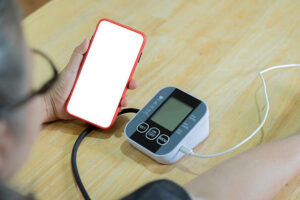
Why a Single Blood Pressure Reading Is Not the Full Story
Blood pressure naturally changes throughout the day. It may rise during stressful meetings, fall during rest, respond to a poor night of sleep, or shift after changes to exercise, nutrition, body composition, or prescribed treatment. A one-time measurement in a clinic cannot always distinguish a temporary spike from a persistent pattern.
Some people also experience white coat hypertension, in which readings rise in a medical setting because of anxiety. Others have the opposite issue: their pressure appears acceptable at an appointment but is elevated at home, at work, or overnight. This is sometimes called masked hypertension. Neither situation should be guessed at. Repeated, properly collected readings give your provider better context for deciding what needs attention.
Remote monitoring does not replace in-person evaluation, physical exams, lab work, or emergency care. It extends the care relationship between visits. Instead of relying on memory or a handful of numbers written down weeks apart, your care team can review a more complete record and make decisions based on trends.
How Remote Patient Monitoring for High Blood Pressure Works
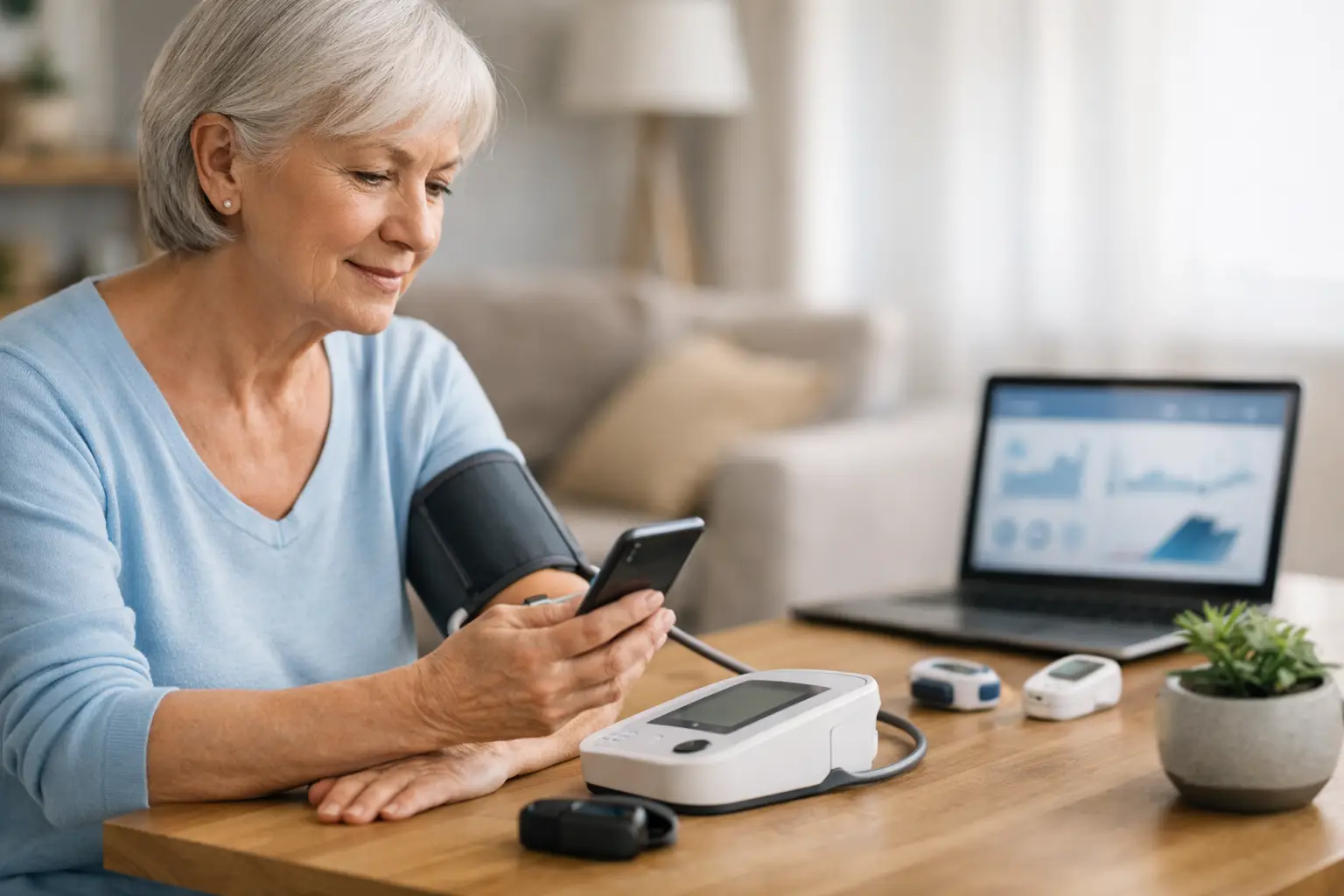
The process is straightforward: you use a validated blood pressure cuff at home, follow your provider’s instructions for taking readings, and transmit or report those results through the monitoring program. Depending on the care model, readings may be sent automatically from a connected device or reviewed through a secure patient platform.
Your medical team looks for patterns over time, not just a single high or low number. If your readings are above your individualized target, your provider may recommend a follow-up, reassess contributing factors, review medication adherence, or consider changes to your treatment plan. If readings are improving, the data can confirm that your current approach is working.
At Alpha Hormones, remote monitoring can complement a broader preventive care strategy that may include detailed diagnostics, lifestyle guidance, body composition goals, and medically supervised treatment plans. Blood pressure is one meaningful metric, but it should be understood alongside the rest of your health picture.
What You Need for Accurate Readings
A quality upper-arm cuff and consistent technique matter. Wrist devices can be convenient, but they may be more sensitive to positioning errors. Your provider can help you choose a device and cuff size appropriate for your arm.
Before measuring, sit quietly for about five minutes. Keep both feet flat on the floor, support your back, and rest your arm at heart level. Avoid measuring immediately after exercise, smoking, caffeine, or a stressful conversation when possible. Take readings at the times your provider recommends, often in the morning and evening, and avoid talking during the measurement.
The goal is not perfection. The goal is reliable information. A consistent routine makes it easier to recognize a meaningful change rather than reacting to normal day-to-day variation.
Who Benefits Most From Home Blood Pressure Monitoring
Remote monitoring can be valuable for people with diagnosed hypertension, borderline readings, a family history of cardiovascular disease, or a history of elevated numbers during medical visits. It may also be especially helpful when a provider is evaluating whether a new lifestyle plan or prescription is producing the intended result.
For high-performing adults, hypertension risk is not limited to a particular body type or age group. Demanding work schedules, inadequate recovery, alcohol use, sleep disruption, chronic stress, weight changes, and certain health conditions can all influence blood pressure. Some medications and supplements may also affect it, which is one reason full disclosure with your clinician matters.
Hormonal transitions can be relevant as well. For example, menopause can be associated with changes in cardiovascular risk, while low testosterone, thyroid dysfunction, insulin resistance, and poor sleep may intersect with metabolic health in complex ways. That does not mean hormones are automatically the cause of high blood pressure or that hormone therapy is a treatment for hypertension. It means your provider should consider the whole clinical picture rather than treating one number in isolation.
The Advantages of Ongoing Data
The strongest benefit of remote patient monitoring is practical: it makes care more responsive. Rather than waiting months to discover that blood pressure has remained elevated, patients and providers can identify a pattern earlier.
It also supports more productive appointments. When you arrive with a record of home readings, the conversation can focus on what is actually happening. Are numbers higher on workdays? Did they change after a medication adjustment? Are morning readings consistently different from evening readings? Is an intense training schedule helping your cardiovascular fitness, or is insufficient recovery showing up in your data?
That level of specificity can reduce guesswork. It can also help patients feel more engaged with their care. Seeing measurable progress is motivating, especially when blood pressure improvements are connected to sustainable changes in sleep, nutrition, movement, stress management, and prescribed treatment.
What Remote Monitoring Cannot Tell You on Its Own
Data is useful only when it is interpreted in context. A home cuff cannot diagnose every cause of hypertension, determine your cardiovascular risk on its own, or replace testing your clinician may recommend. Persistently elevated blood pressure may call for additional evaluation based on your history, symptoms, medications, family risk, and other health markers.
Remote monitoring can also create anxiety for people who check too often or react strongly to every small fluctuation. Blood pressure is dynamic. One unusual reading does not always signal danger, especially if you feel well and the next readings return to your usual range. Follow the protocol your clinician provides rather than measuring repeatedly in search of a perfect number.
However, extremely high readings or high readings accompanied by symptoms such as chest pain, shortness of breath, severe headache, weakness, confusion, vision changes, or difficulty speaking need urgent medical attention. Do not wait for a remote review if you are experiencing potentially serious symptoms.
Building a Plan That Fits Your Life
The best blood pressure plan is one you can maintain. For one person, the priority may be taking prescribed medication consistently and improving sleep. For another, it may be reducing alcohol, addressing sleep apnea, improving nutrition, losing excess weight, or creating a more realistic training and recovery routine. Most people benefit from a combination of steps rather than a single fix.
Your care plan should also account for your goals. If you are working to improve body composition, optimize hormone health, train harder, or protect long-term cardiovascular performance, blood pressure monitoring offers a grounded metric to keep the plan medically aligned. Better energy is valuable. So is knowing that your health strategy supports your heart and vascular system.
When to Talk With a Provider
Schedule a medical conversation if home readings are repeatedly higher than the target your provider has set, if you have been told your blood pressure is elevated, or if you are starting or changing treatment that could affect cardiovascular health. Bring your device or a record of readings to the discussion when possible. That allows your provider to verify technique and evaluate the trend.
You do not need to wait until high blood pressure becomes a crisis to take it seriously. A few minutes of structured monitoring at home can give you and your care team a stronger foundation for informed decisions. The next useful step is simple: get an accurate baseline, follow a consistent routine, and let real data guide a plan built for your long-term health.