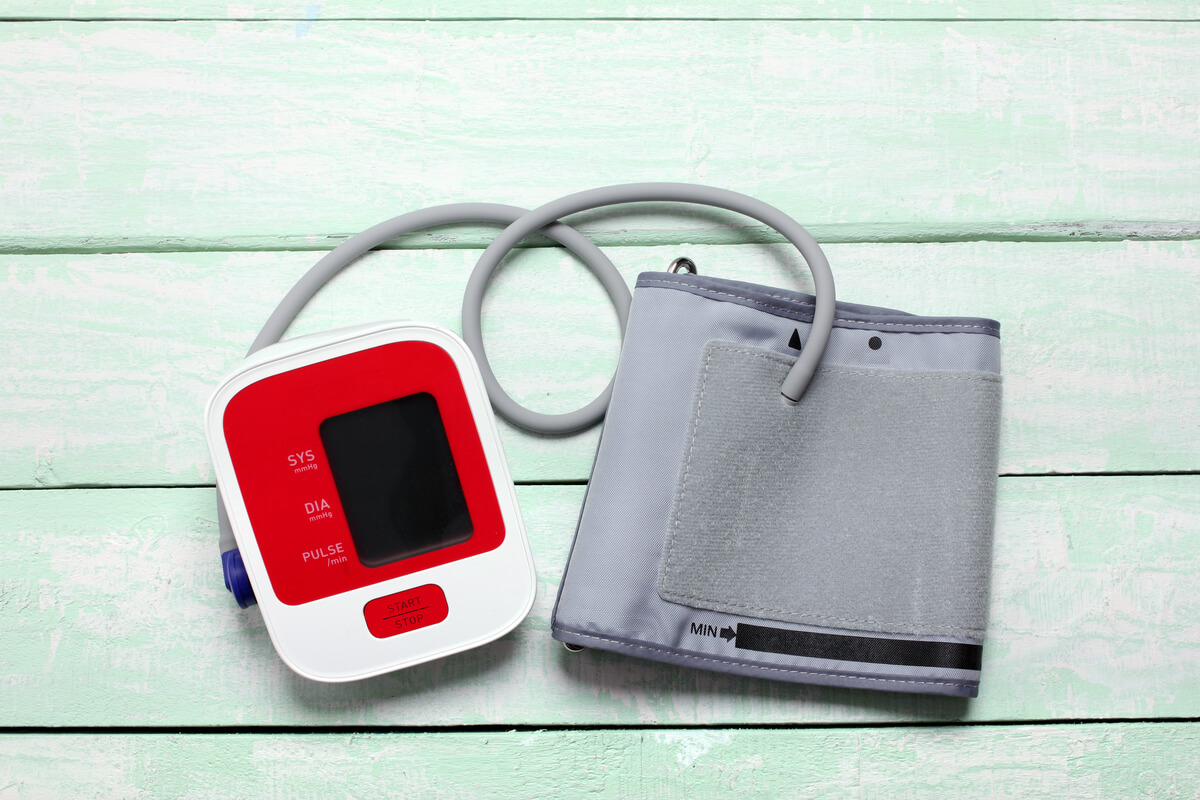
Lower Your Blood Pressure. Protect Your Long-Term Health.
Blood pressure is rarely influenced by only one factor. Thyroid dysfunction, insulin resistance, sleep apnea, chronic stress, cortisol dysregulation, body composition, and hormone changes can all contribute to elevated blood pressure patterns.
Identifying and addressing these upstream drivers is often what separates temporary control from meaningful long-term improvement.
Consistent aerobic activity and resistance training both improve blood pressure over time.
You do not need extreme exercise—you need consistent movement and sustainable habits.
Nutrition patterns emphasizing:
● Vegetables and fruits
● Lean protein
● Whole foods
● Fiber-rich meals
● Reduced ultra-processed foods and excess sodium
can significantly improve blood pressure and vascular health.
Small changes repeated consistently are often more powerful than short-term restrictive approaches.
Poor sleep and chronic stress independently raise blood pressure.
Sleep apnea is one of the most common and underdiagnosed contributors to resistant hypertension. Cortisol dysregulation, chronic sympathetic activation, and inadequate recovery can also significantly affect cardiovascular function.
Addressing the stress and sleep layer often improves outcomes beyond medication adjustments alone.
Hormones influence blood pressure more than many patients realize.
Potential contributors include:
● Thyroid dysfunction
● Testosterone deficiency
● Perimenopause and menopause-related vascular changes
● Cortisol imbalance
● Insulin resistance and metabolic dysfunction
When clinically appropriate, treatment strategies may include:
● TRT
● BHRT
● Thyroid optimization
● Weight and metabolic therapy
● Sleep and recovery optimization
For some patients, addressing these underlying contributors improves blood pressure patterns that previously remained difficult to control.
Antihypertensive medications remain among the most studied and effective therapies in modern medicine. When combined with lifestyle and metabolic optimization, the right medication strategy can reliably improve blood pressure control and reduce long-term cardiovascular risk.
There is no single “best” blood pressure medication—there is a best option for your specific clinical picture.
When patients are appropriate candidates for aggressive lifestyle and metabolic optimization
first, we discuss that honestly as well.
Blood pressure responds to hormones quietly, consistently, and sometimes dramatically.
Both hypothyroidism and hyperthyroidism directly affect:
● Vascular tone
● Cardiac output
● Fluid balance
● Metabolic function
Correcting thyroid dysfunction can significantly improve blood pressure regulation in some patients.
Low testosterone in men has been associated with:
● Increased vascular stiffness
● Metabolic dysfunction
● Reduced exercise capacity
● Higher cardiovascular risk patterns
TRT is not a blood pressure medication, but in appropriate patients it may improve contributing metabolic and vascular factors.
Perimenopause and menopause can significantly affect vascular reactivity, sleep quality, body composition, and blood pressure regulation.
BHRT may be discussed as part of a broader cardiovascular and metabolic strategy when clinically appropriate.
Chronic stress, poor sleep, sleep apnea, and cortisol dysregulation increase vascular tension and fluid retention, often contributing to resistant blood pressure patterns.
This is why we frequently evaluate sleep, recovery, stress physiology, and metabolic health—not just cuff readings.
Weight and insulin resistance are deeply connected to hypertension.
Excess visceral fat contributes to:
For many patients, improving body composition and metabolic health leads to meaningful improvements in blood pressure.
may be discussed as part of a comprehensive cardiovascular and metabolic optimization plan.
For patients seeking deeper cardiovascular evaluation, advanced diagnostics may be discussed when clinically appropriate, including:
These are not routine screening tools for every patient, but they may provide valuable insight for individuals with:
Modern hypertension management works best with consistent real-world data.
A single office blood pressure reading is only a snapshot. Home monitoring across days and weeks provides a much more accurate picture of cardiovascular patterns.
At Alpha Hormones®, we guide patients on:
Our hypertension management program is designed for adults with:
Our licensed providers evaluate:
together—because no single factor explains the entire picture.
Patients with severe, resistant, or secondary hypertension may require specialist referral and coordinated cardiology care. Our focus is helping patients approach blood pressure through a comprehensive, whole-body, physician-guided strategy designed for long-term cardiovascular health and metabolic optimization.
Yes. Alpha Hormones® offers HIPAA-compliant telehealth consultations for qualifying patients throughout California, Texas, and Florida. Many aspects of hypertension management—including lab review, medication management, lifestyle counseling, and home blood pressure monitoring—can be managed remotely.
Patients may use a home blood pressure cuff to track readings consistently between visits. For qualifying patients, we also offer optional remote patient monitoring (RPM) to help review trends and guide treatment adjustments more proactively.
Depending on your clinical picture, labs may include:
● Kidney function and electrolytes
● Lipid and lipoprotein panels
● Glucose and insulin markers
● Thyroid testing
● Hormone evaluation
● Cardiovascular risk markers
Many labs can be completed same-day through our CLIA-certified in-house laboratory.
Yes. Thyroid dysfunction, testosterone deficiency, menopause-related hormonal shifts, cortisol imbalance, insulin resistance, and sleep disturbances can all influence blood pressure and cardiovascular health.
Not always. Some patients benefit significantly from lifestyle, metabolic, sleep, and hormonal optimization strategies. Others may require medication or a combination approach depending on cardiovascular risk and blood pressure severity.
In many cases, yes. Weight reduction, improved metabolic health, and reduction of visceral
fat often improve blood pressure patterns and overall cardiovascular health.
Yes. When appropriate, Alpha Hormones® coordinates care with your primary care provider, cardiologist, or other specialists to support comprehensive cardiovascular management.
We believe hypertension management should be proactive, individualized, and focused on the bigger picture of long-term wellness and cardiovascular protection.
If you are concerned about:
Our licensed providers can help you develop a personalized, medically guided plan tailored to your goals and physiology.
Ready to take control of your blood pressure and long-term health?