History and medications
Review diagnoses, glucose trends, current treatments, side effects, adherence, and barriers.

Understand your glucose patterns, reduce avoidable risk, and build a practical care plan around your health, medications, nutrition, activity, and goals.
Blood glucose is important, but effective care also considers blood pressure, cholesterol, kidney health, weight, medications, sleep, nutrition, activity, and cardiovascular risk.
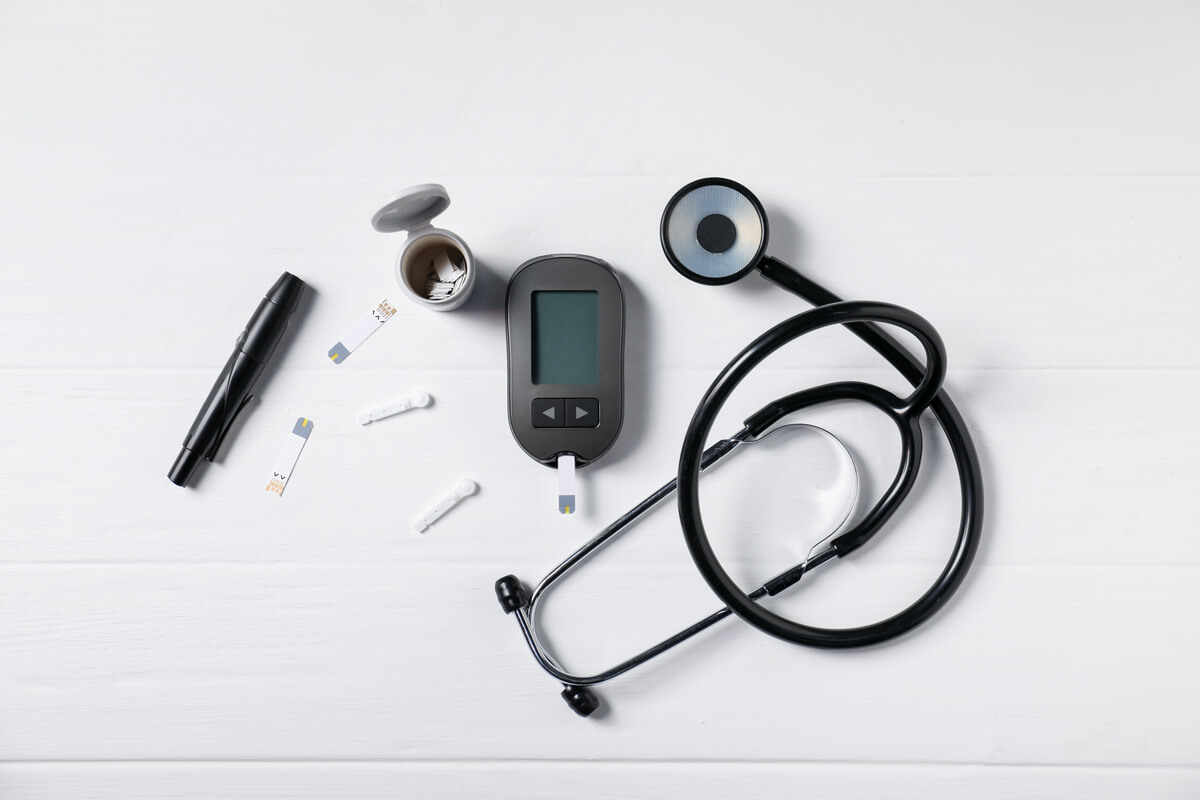
Review diagnoses, glucose trends, current treatments, side effects, adherence, and barriers.
Testing may include A1C, glucose, kidney function, lipids, urine albumin, and other indicated studies.
Assess cardiovascular, kidney, eye, nerve, and foot-health considerations and coordinate referrals.
Consider nutrition, activity, sleep, stress, glucose monitoring, and the realities of your routine.
Recommendations are selected according to diabetes type, A1C, comorbidities, risks, preferences, affordability, and treatment response.
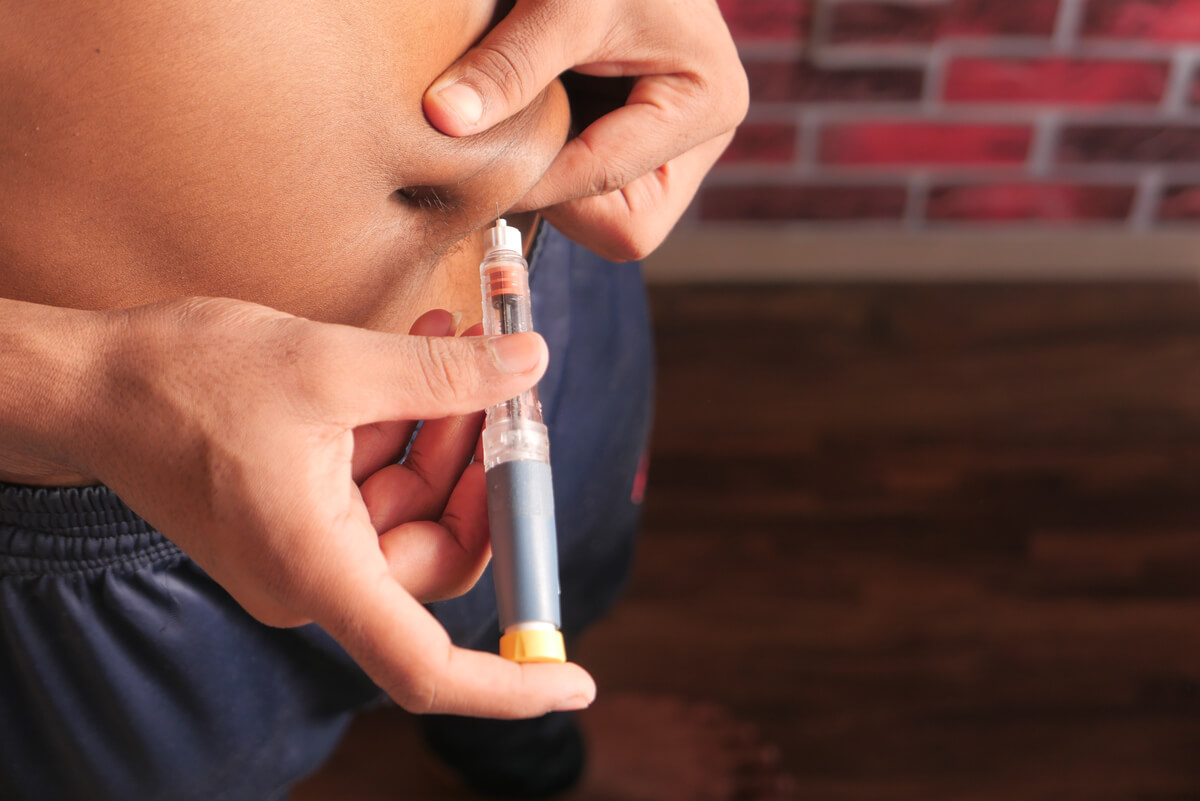
Medication selection considers glucose goals, heart and kidney health, hypoglycemia risk, weight considerations, side effects, cost, coverage, and preferences.
May be appropriate depending on diagnosis, kidney function, tolerability, and treatment goals.
Ozempic® and Mounjaro® are approved for type 2 diabetes; suitability and coverage vary.
May be considered based on glucose levels, organ protection needs, safety factors, and clinical circumstances.

Build meals around appropriate portions, protein, fiber-rich foods, minimally processed carbohydrates, and individual glucose response.
Regular aerobic activity and resistance training can support glucose management when medically appropriate.
Use glucose readings, symptoms, laboratory results, and follow-up to understand patterns and adjust care.
Both conditions affect how the body manages glucose, but their causes and treatment needs are different. Your care plan should reflect your diagnosis, medications, health history, glucose patterns, and personal goals.
Type 1 diabetes is an autoimmune condition in which the pancreas produces little or no insulin. Daily insulin and careful glucose monitoring are necessary. Care commonly involves an endocrinology team.
Type 2 diabetes typically involves insulin resistance and a gradual decline in insulin production. Treatment varies and may change as glucose levels, other health conditions, and individual needs evolve.
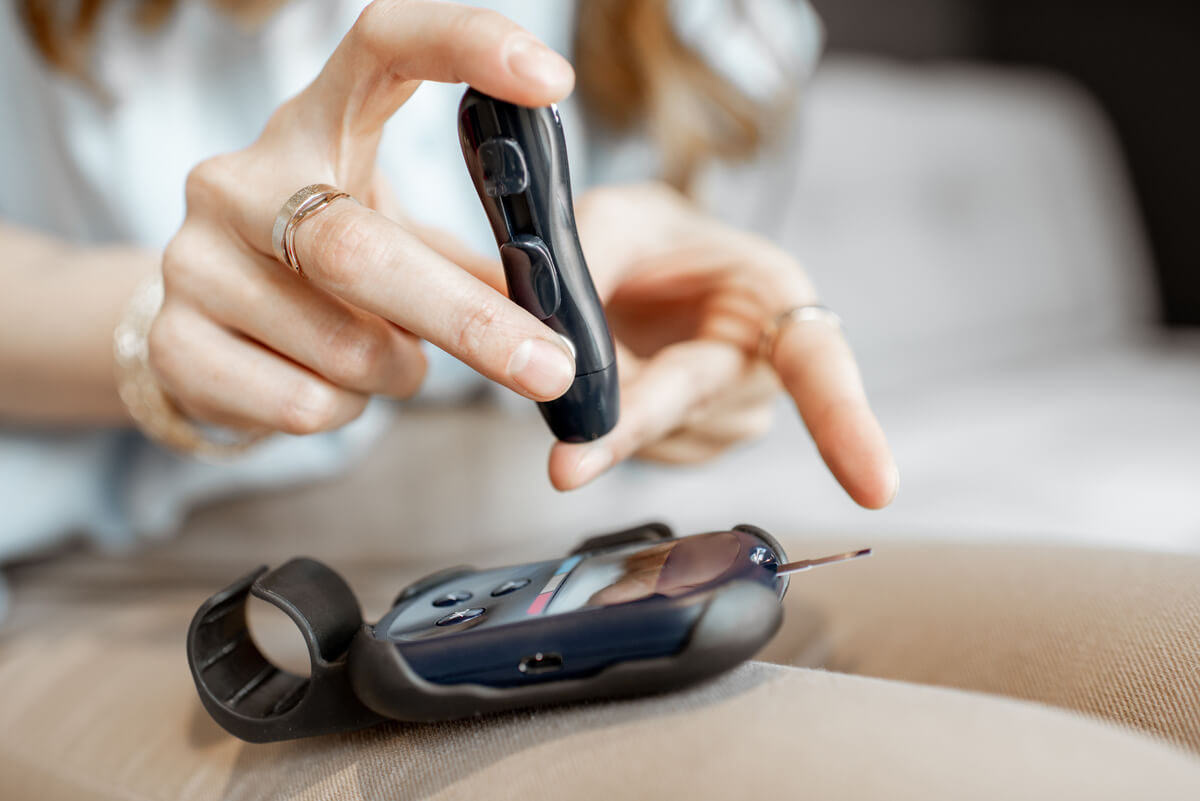
A continuous glucose monitor, or CGM, estimates glucose in the fluid beneath the skin throughout the day and night. It can reveal trends that a single finger-stick reading may miss and help patients and clinicians make more informed decisions.
CGM is especially important for many people who use insulin and may also be appropriate for selected people with type 2 diabetes or prediabetes. Device eligibility and insurance coverage vary. Finger-stick confirmation may still be needed according to device instructions or when symptoms do not match a sensor reading.
Eligible patients can receive additional support between appointments through connected monitoring and coordinated monthly care.
Compatible connected devices can securely transmit physiologic information such as glucose, blood pressure, or weight for clinical review and treatment management.
For eligible patients with multiple chronic conditions, CCM may include a comprehensive care plan, medication review, care coordination, and ongoing monthly support.
Regular information can help the care team recognize concerning trends and determine when follow-up or treatment review is appropriate.
Care may be coordinated with pharmacies, laboratories, specialists, and other members of your healthcare team when appropriate.
Review history, medications, risks, glucose data, and priorities.
Set appropriate goals and select practical treatment strategies.
Track glucose, A1C, tolerability, safety, and complication risks.
Refine medication and lifestyle recommendations as needs change.
Clear answers about evaluation, monitoring, medications, coverage, and ongoing care.
Telehealth follow-up may be available for established, qualifying patients where our providers are licensed. Some examinations, laboratory testing, urgent concerns, or treatment decisions may still require in-person care.
A1C estimates average blood glucose over roughly the previous two to three months. Your target and testing frequency should be individualized.
A CGM measures glucose throughout the day and can reveal patterns related to meals, activity, sleep, and medication. Suitability and insurance coverage vary.
No. These prescription medicines have contraindications, precautions, and possible side effects. Selection requires an individualized medical evaluation.
Not everyone with type 2 diabetes needs insulin. It may be necessary in some circumstances. People with type 1 diabetes require insulin.
Many people can lower glucose and reduce progression risk through appropriate nutrition, activity, weight management, and medical care. Outcomes vary.
Endocrine conditions can influence glucose, but hormone therapy is not a routine diabetes treatment. Evaluation is considered when findings suggest a separate hormone disorder.
Medicare and some commercial plans may cover qualifying services. Eligibility, medical necessity, consent, plan rules, deductibles, coinsurance, or copays may apply.
Yes. With authorization and when appropriate, care may be coordinated with primary care, endocrinology, cardiology, eye care, pharmacies, laboratories, and other providers.
Seek urgent or emergency care for severe hypoglycemia, confusion, fainting, seizures, persistent vomiting, difficulty breathing, chest pain, signs of stroke, or very high glucose with significant illness.
Meet with an Alpha Hormones® medical provider to review your glucose control, current treatment, health risks, and available care options.

Explore our professional credentials, supplement store, available financing, and website security verification.